I remember the night I was trying to salvage a last‑minute dinner after a kitchen fiasco that left my pantry in a state of disarray. A bag of chicken had been left on the counter too long, the teriyaki sauce was on the brink of spilling, and I had no idea how to salvage the situation without ordering takeout. I stared at the ingredients, feeling the familiar panic that comes with a culinary crisis, and whispered, “If I can pull this together, I can make it taste like a gourmet kitchen.” That moment sparked the creation of a recipe that would become my go‑to for when the clock is ticking and the taste buds are demanding something extraordinary.
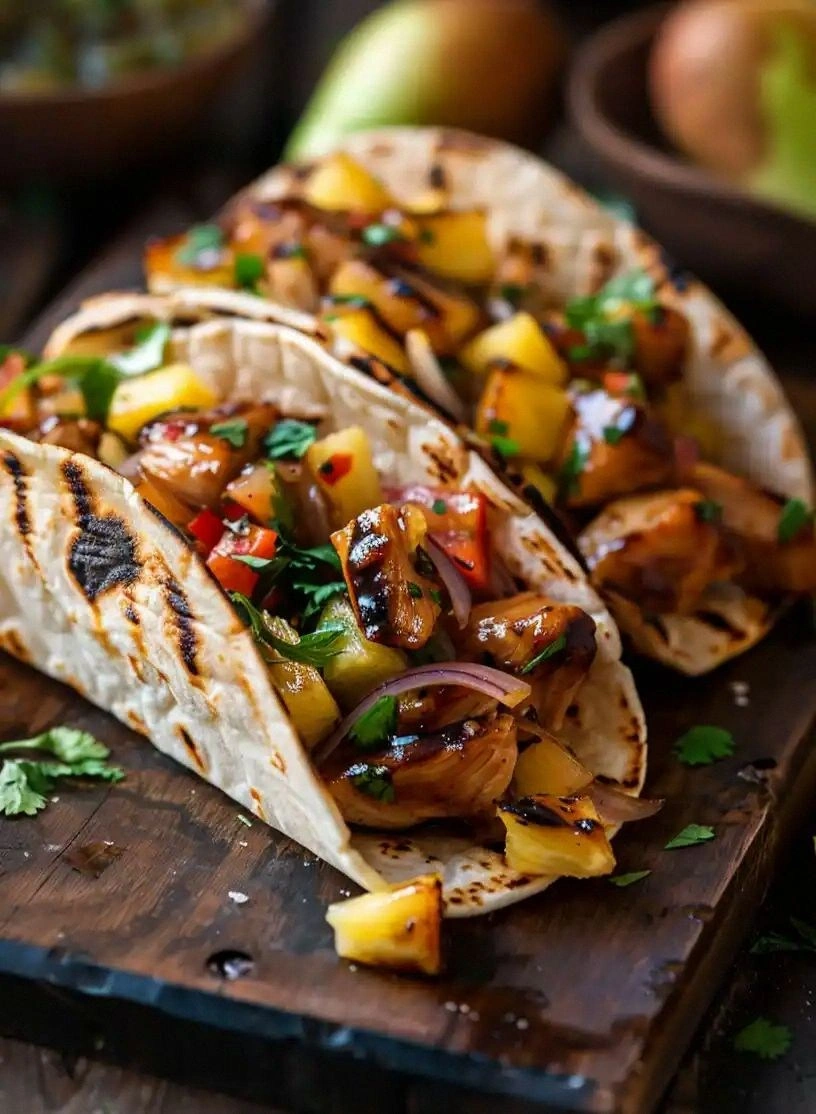
Picture this: the sizzling sound of chicken hitting a hot skillet, the sweet aroma of teriyaki mingling with the sharp tang of lime, the visual spectacle of caramelized pineapple and pear ribbons dancing on a plate, the bright pop of cilantro, and the comforting crunch of a fresh cabbage slaw. The senses collide in a harmonious orchestra that makes your stomach rumble and your eyes widen with anticipation. You can almost taste the honey’s syrupy glaze coating the chicken like velvet, the sesame oil giving a nutty sheen, and the jalapeño’s subtle heat teasing the palate. Each element is carefully balanced to create a flavor profile that feels both adventurous and familiar.
What sets this version apart is that it marries the classic teriyaki chicken with an unexpected tropical twist, using fresh pineapple and ripe pear to bring a sweet, juicy contrast that cuts through the savory richness. It’s a dish that feels like a vacation in a taco, yet it’s simple enough for a weekday dinner. The technique of grilling the fruit before blending it into a salsa preserves its natural sugars, giving the salsa a depth that a canned version could never achieve. And the tortilla choice—soft flour or corn—allows you to customize the texture to your preference, making it a versatile crowd‑pleaser that can be served at a backyard barbecue or a quiet family dinner.
I dare you to taste this and not go back for seconds. The first bite will have you questioning why you ever settled for bland, pre‑made tacos. Picture yourself pulling this out of the skillet, the whole kitchen smelling incredible, the sizzling sound echoing the excitement of a new culinary adventure. Stay with me here—this is worth it. Let me walk you through every single step, and by the end, you'll wonder how you ever made it any other way.
What Makes This Version Stand Out
- Flavor Fusion: The combination of teriyaki, honey, and sesame oil creates a glaze that coats the chicken like a glossy coat of lacquer, while the pineapple and pear bring a fresh, juicy sweetness that cuts through the richness. This contrast elevates the dish beyond ordinary tacos.
- Texture Play: Grilling the fruit caramelizes the sugars, producing a slightly charred exterior that adds a smoky undertone, while the tender chicken provides a satisfying bite. The cabbage slaw adds a crisp, refreshing crunch that balances the heat from the jalapeño.
- Quick Prep: Every element of this recipe can be assembled in under fifteen minutes, making it a perfect solution for busy evenings without sacrificing flavor. The use of a stovetop skillet keeps the process straightforward and accessible.
- Versatility: Swap the tortillas for corn if you’re looking for a gluten‑free option, or add a splash of sriracha to the glaze for an extra kick. The recipe’s modular nature means you can adjust it to fit dietary preferences.
- Crowd‑Pleaser: The bright colors and vibrant flavors make this dish a showstopper at potlucks or family gatherings. Guests will rave about the unexpected fruit pairing and the depth of the sauce.
- Make‑Ahead Friendly: The salsa can be prepared a day ahead and refrigerated, allowing the flavors to meld. The chicken can also be marinated overnight for an even richer glaze.
Inside the Ingredient List
The Flavor Base
The ½ cup of teriyaki sauce is the heart of this dish, providing umami depth and a subtle sweetness that balances the acidity of lime juice. The 1 tablespoon of honey amplifies the glaze’s glossy sheen and adds a caramelized finish when heated. If you’re craving a tangier profile, replace honey with agave syrup or a splash of rice vinegar for a sharper bite. The 1 tablespoon of sesame oil introduces a nutty aroma that elevates the sauce into something truly memorable.
The Protein Powerhouse
A 1‑lb piece of boneless chicken—ideally thighs for their natural juiciness—provides a robust flavor base that stands up to the sweet glaze. If you prefer a leaner option, cut the chicken into bite‑sized cubes and use breasts; the cooking time will be slightly shorter. The 2 cloves of garlic, minced finely, release a fragrant aroma that permeates the skillet, ensuring every bite is infused with savory undertones. For a subtle twist, try adding a pinch of ground ginger to the garlic for an extra layer of warmth.
The Unexpected Star
The 1 cup of fresh pineapple and 1 ripe pear are the showstoppers of this taco. Their natural sugars caramelize beautifully when grilled, creating a sweet, smoky salsa that contrasts with the savory chicken. If you’re in a pinch, substitute frozen pineapple chunks—just be sure to thaw them fully before grilling. A pinch of sea salt on the fruit before grilling enhances the caramelization process and brings out the fruit’s natural sweetness.
The Final Flourish
The ¼ cup of finely chopped red onion, the 1 jalapeño pepper sliced thin, and the 2 tablespoons of fresh cilantro add bright, fresh layers that cut through the richness of the glaze. The lime juice, extracted from one lime, provides a citrusy brightness that balances the sweetness of the fruit and the depth of the teriyaki. A pinch of salt and pepper to taste is essential—adjust the seasoning as you go to ensure a well‑balanced flavor profile. Optional shredded cabbage adds a refreshing crunch and a pop of color that completes the visual appeal.
Everything’s prepped? Good. Let’s get into the real action.
The Method — Step by Step
- Prep the Chicken: Slice the 1‑lb boneless chicken into bite‑sized pieces, pat them dry with paper towels to ensure a good sear, then season lightly with salt and pepper. This step ensures the chicken will brown evenly and not release excess moisture. Place the chicken in a shallow bowl and pour the ½ cup teriyaki sauce over it, making sure every piece is coated. Let it sit for at least 10 minutes to absorb the flavors. The aroma of marinated chicken is already a promise of deliciousness.
- Grill the Fruit: Preheat a grill pan or outdoor grill over medium‑high heat. Slice the pineapple and pear into thin rings or bite‑sized chunks, brushing each piece lightly with a teaspoon of sesame oil. Grill the fruit for 2–3 minutes on each side until grill marks appear and the sugars caramelize. The sizzle you hear is the sound of flavor being sealed. Once done, set aside to cool slightly before blending.
- Make the Salsa: In a blender or food processor, combine the grilled pineapple, pear, ¼ cup red onion, 1 jalapeño pepper, 2 tablespoons cilantro, and the juice of one lime. Pulse until the mixture reaches a chunky consistency. Add a pinch of salt and pepper, then blend again briefly to integrate the seasoning. Taste and adjust the lime or salt as needed. This salsa will be the bright, sweet counterpoint to the savory chicken.
- Cook the Chicken: Heat a large skillet over medium‑high heat and add a splash of sesame oil. Once hot, add the marinated chicken in a single layer, avoiding overcrowding. Let it sear for 2–3 minutes before flipping. This creates a caramelized crust that locks in juices. Cook until the chicken reaches an internal temperature of 165°F; the sauce should thicken into a glossy glaze.
- Watch Out: Avoid moving the chicken too often; this will prevent a good sear and cause the sauce to become watery. If the sauce starts to boil, reduce the heat to medium and let it simmer gently. The goal is a thick, glossy coating, not a stew.
- Combine Chicken and Salsa: Once the chicken is cooked, reduce the heat to low. Gently stir in the prepared salsa, letting the flavors meld together. The heat will slightly soften the fruit, creating a luscious, slightly thickened sauce that clings to each chicken piece. This is the moment of truth—watch the colors deepen and the aroma intensify.
- Warm the Tortillas: Heat a dry skillet over medium heat. Warm each tortilla for about 15–20 seconds on each side, or until pliable. If you prefer a crisp edge, lightly toast the tortillas in the skillet until golden brown. Warm tortillas are key to preventing them from tearing when filled.
- Assemble the Tacos: Spoon a generous amount of the chicken and salsa mixture onto each tortilla. Top with shredded cabbage for a fresh crunch, then drizzle with a squeeze of lime for extra brightness. Fold the tortillas in half and serve immediately. The combination of textures and flavors should make your taste buds dance.
- Serve and Enjoy: Plate the tacos with a side of extra lime wedges and cilantro for guests to customize. The dish is best enjoyed hot, with the salsa still slightly warm and the chicken juicy. If you’re feeding a crowd, set up a taco bar so everyone can build their own creations.
That’s it—you did it. But hold on, I’ve got a few more tricks that will take this to another level.
Insider Tricks for Flawless Results
The Temperature Rule Nobody Follows
Many people cook chicken at a high heat for too long, resulting in dry, rubbery meat. I always set the skillet to medium‑high and let the chicken sear for 2–3 minutes before flipping. This short, intense burst creates a caramelized crust while keeping the inside moist. A quick thermometer check—165°F—ensures doneness without overcooking.
Why Your Nose Knows Best
When you first add the garlic to the skillet, listen for that unmistakable aroma that signals the garlic is releasing its oils. If it starts to brown too quickly, lower the heat; burnt garlic will ruin the entire dish. This subtle cue helps you maintain a perfect balance of flavor and texture.
The 5‑Minute Rest That Changes Everything
After cooking the chicken, let it rest for five minutes off the heat. This allows the juices to redistribute, ensuring each bite is succulent. Many chefs skip this step, resulting in uneven moisture distribution. Give yourself that small window of rest and notice the difference.
Citrus Balance Matters
The lime juice adds brightness, but too much can overpower the teriyaki’s sweetness. Start with half a lime’s juice, taste the salsa, then add more if needed. The gradual addition ensures a harmonious flavor profile that’s neither too sour nor too sweet.
Cabbage as a Crunchy Counterpoint
Shredded cabbage not only adds crunch but also a subtle earthiness that balances the sweet fruit. If you’re looking for a lighter option, try using shredded carrots or a mix of cabbage and spinach. The key is to have a fresh, crisp layer that contrasts with the warm, juicy filling.
Creative Twists and Variations
This recipe is a playground. Here are some of my favorite ways to switch things up:
Spicy Sriracha Kick
Add a tablespoon of sriracha to the teriyaki glaze for an instant heat boost. The chili’s smoky undertones complement the sweetness of the fruit, creating a complex flavor profile that excites the palate. Perfect for those who like a little burn with every bite.
Mediterranean Twist
Swap the pineapple and pear for sun‑dried tomatoes and roasted red peppers. Add a sprinkle of feta cheese on top of the taco for a salty contrast. This version leans into Mediterranean flavors while keeping the teriyaki base.
Vegan Version
Replace the chicken with marinated tofu cubes or tempeh. Use a plant‑based teriyaki sauce and coconut milk to keep the sauce silky. The tofu absorbs the glaze beautifully, offering a protein‑rich, cruelty‑free alternative.
Grilled Shrimp Variation
Grill shrimp instead of chicken for a seafood twist. Marinate the shrimp in the teriyaki mixture for 15 minutes, then sear them quickly on high heat. The shrimp’s natural sweetness pairs wonderfully with the fruit salsa.
Cheesy Finale
Top each taco with a sprinkle of crumbled queso fresco or a few grates of cheddar before serving. The melted cheese adds a creamy texture that balances the crispness of the cabbage. This adds a layer of indulgence that is hard to resist.
Breakfast Taco Variation
Serve the chicken and salsa over a toasted English muffin, then top with a fried egg. The combination of savory, sweet, and protein-packed components creates a breakfast that feels like a lunch. It’s a fun way to start the day on a high note.
Storing and Bringing It Back to Life
Fridge Storage
Store the salsa in an airtight container for up to 4 days in the refrigerator. The chicken can be kept in a separate container for the same period. When ready to serve, reheat the chicken in a skillet until warmed through, then combine with the salsa. The flavors will re‑merge beautifully.
Freezer Friendly
The salsa freezes well for up to 3 months. Wrap it tightly in plastic wrap and place in a freezer bag. The chicken can also be frozen, but it’s best to reheat it in the oven at 350°F for 15 minutes to maintain moisture. Thaw in the refrigerator overnight before reheating.
Best Reheating Method
Reheat the salsa and chicken in a skillet over low heat, adding a splash of water or broth to keep it moist. A quick 3–4 minute stir will bring everything back to a fresh, vibrant state. The key is to keep the heat gentle to avoid drying out the chicken.