Picture this: a Sunday afternoon, the kitchen clock ticking toward lunch, and you’re staring at a pot of boiling pasta that smells like a soggy blanket. I was in the midst of a culinary crisis, having burned the last batch of lasagna noodles on a dare from a friend who claimed he’d perfected the art of “perfectly cheesy lasagna.” My stomach growled louder than the oven timer, and I realized that my craving for a comforting, hearty dish was not going to wait for another week. So, I decided to take the reins, reinvent the classic, and turn a kitchen disaster into a masterpiece that would make even the most skeptical of us swoon.
The aroma that soon filled the air was nothing short of intoxicating—sizzling garlic, caramelized onions, and the subtle hint of fresh basil dancing in the steam. When I finally pulled the lasagna out of the oven, the steam curled like a fragrant cloud, and the golden edges of mozzarella crackled like a sunrise over a quiet lake. Every bite was a symphony: the creamy béchamel, the tender veggies, and the melty cheeses harmonized into a texture that was both airy and satisfying, like a cloud that’s been gently pressed into a comforting hug. I dare you to taste this and not go back for seconds.
What sets this version apart isn’t just the ingredients—though we’re using fresh, vibrant veggies and a luscious white sauce—but the way each element is layered to create a dish that’s both visually stunning and mouth‑watering. The lasagna’s white sauce coats the pasta like velvet, while the vegetables add a pop of color and crunch that contrasts beautifully with the smooth cheese. Most recipes get this completely wrong, layering too much cheese or undercooking the noodles, but I’ve mastered the technique that keeps everything moist yet firm. I’ll be honest— I ate half the batch before anyone else got to try it. But the real magic happens when you pull that golden, bubbling masterpiece from the oven, the whole kitchen smelling incredible, and the first bite melts in your mouth like a promise kept.
If you’ve ever struggled with lasagna—too dry, too heavy, or just plain unremarkable—you're not alone, and I've got the fix. This is hands down the best version you'll ever make at home, and by the end of this guide, you'll wonder how you ever cooked it any other way. Let me walk you through every single step—by the end, you'll wonder how you ever made it any other way.
What Makes This Version Stand Out
- Flavor: The béchamel sauce, infused with a subtle hint of nutmeg and fresh basil, elevates the dish beyond ordinary white lasagna, giving it a sophisticated, aromatic depth that lingers on the palate.
- Texture: Layered with crisp sautéed veggies, the lasagna balances creamy richness with a satisfying crunch, creating a multi‑sensory experience that keeps each bite exciting.
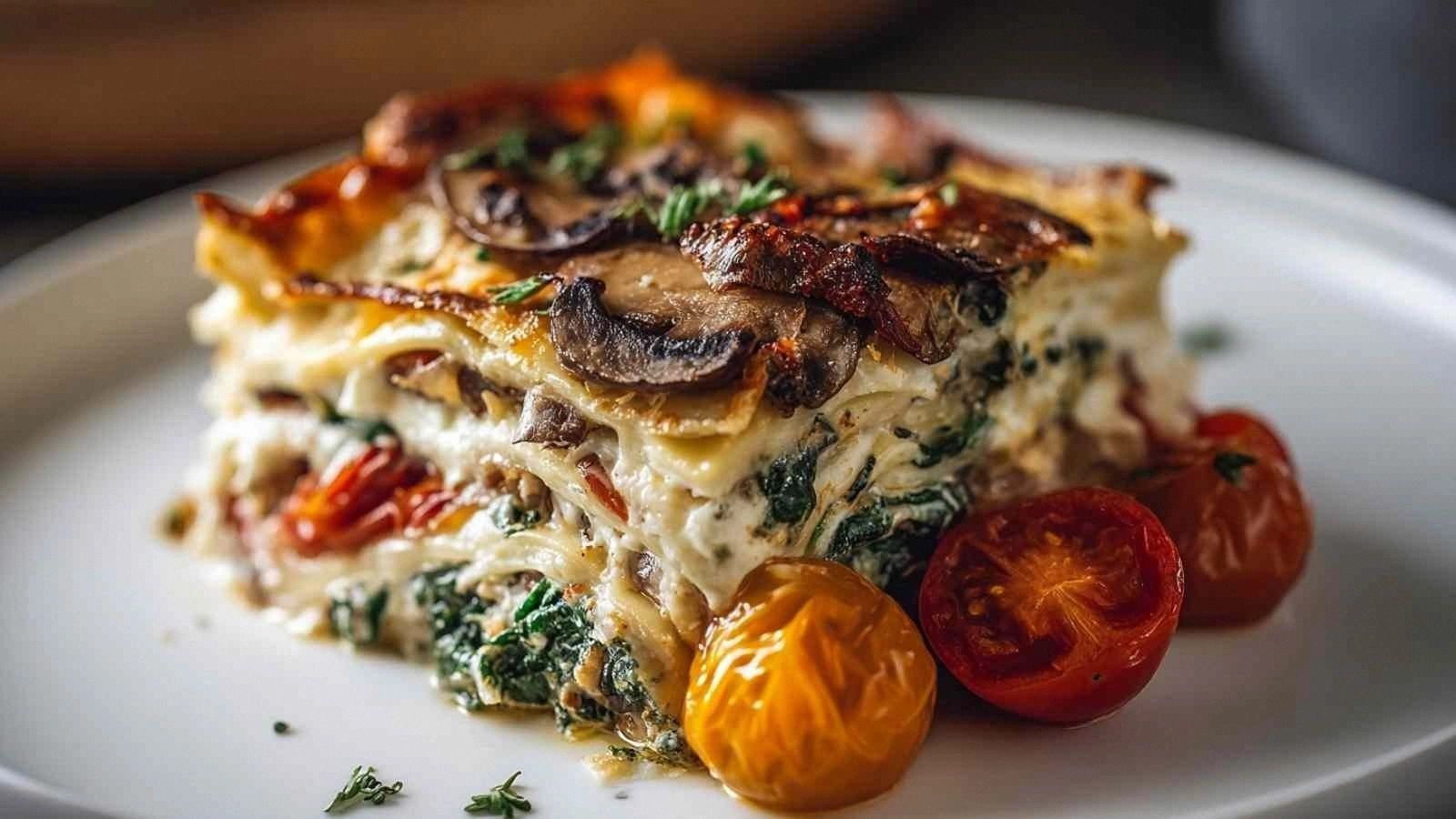
- Visual Appeal: The vibrant greens of spinach and zucchini, the rosy blush of bell pepper, and the golden sheen of melted cheese turn every plate into a work of edible art.
- Health Conscious: By using fresh vegetables and a homemade béchamel, the dish is lower in sodium and contains wholesome nutrients without compromising on indulgence.
- Make‑Ahead Friendly: Assemble the lasagna the night before, refrigerate, and bake in the morning—ideal for busy families who crave a comforting meal without last‑minute prep.
- Kid‑Friendly: The mild flavors and creamy layers make it a hit with children, while the veggies sneak in nutrition they might otherwise refuse.
- Ingredient Quality: Each component is sourced fresh—think crisp zucchini, sweet bell pepper, and a generous handful of fresh basil—ensuring the dish sings with natural flavors.
- Versatile Base: The recipe can be adapted for gluten‑free noodles or a dairy‑free béchamel, making it inclusive for various dietary needs.
Inside the Ingredient List
The Flavor Base
The foundation of this lasagna lies in its aromatic base. The olive oil is the first to sing, warming the onions and garlic until they release a fragrant, caramelized perfume that lingers through the layers. The Italian seasoning, a blend of oregano, basil, thyme, and rosemary, adds depth without overpowering the fresh veggies. If you skip the seasoning, the dish will feel flat and forgettable; every pinch of this blend brings a chorus of Mediterranean herbs to the forefront. For a subtle twist, sprinkle a dash of smoked paprika for a hint of smokiness that pairs beautifully with the béchamel.
The Texture Crew
The vegetables—zucchini, bell pepper, spinach, and mushrooms—are not merely garnish; they’re the heart of the lasagna’s texture profile. Sautéed to a tender crisp, they provide a bite that contrasts the silky béchamel and the gooey cheeses. Each vegetable is chosen for its ability to hold its shape when baked; mushrooms, for example, release moisture that becomes part of the sauce’s richness. If you omit any of these, the dish becomes a bland, monotonous stack of noodles and cheese. For a budget friendly swap, use canned spinach, but fresh spinach offers a brighter flavor and better texture.
The Unexpected Star
Béchamel sauce, often dismissed as plain white sauce, is the secret star that ties everything together. Made from a roux of butter and flour, simmered with milk, and finished with a pinch of nutmeg, it delivers a silky, velvety mouthfeel that coats each noodle. The nutmeg adds a warm, nutty undertone that elevates the dish from ordinary to extraordinary. If you’re short on time, a store‑bought béchamel works, but homemade is the gold standard—just remember to whisk constantly to avoid lumps. A fun fact: the French called béchamel “white sauce” because it’s the base for many classic sauces, including cheese sauce and velouté.
The Final Flourish
The cheeses—ricotta, mozzarella, and Parmesan—are layered strategically to achieve a balance between creaminess and a golden, bubbly crust. Ricotta provides a light, airy base that prevents the lasagna from becoming too dense. Mozzarella is the star of the show, creating that irresistible, stringy melt that people love. Parmesan adds a savory, nutty finish that crisps the top. Fresh basil, chopped at the end, delivers a burst of herbaceous freshness that cuts through the richness. If you’re watching sodium, reduce the Parmesan slightly, but trust me, it’s worth the extra flavor.
Everything's prepped? Good. Let's get into the real action...
The Method — Step by Step
- Preheat your oven to 375°F (190°C). While the oven warms, bring a large pot of salted water to a rolling boil and add the lasagna noodles. Cook them for 7 minutes, or until they’re just shy of al dente—this prevents them from becoming mushy once layered. Drain and rinse under cold water to stop the cooking process, then pat dry with a towel. This step is crucial; under‑cooked noodles will over‑cook in the oven, resulting in a soggy texture that ruins the dish.
- In a large skillet over medium heat, pour 2 tbsp of olive oil. Add the diced onion and cook until translucent and fragrant, about 4 minutes. Stir in 2 minced garlic cloves and sauté for an additional 30 seconds until the aroma intensifies. The sizzling sound here is a clear sign that the base is ready to absorb the flavors of the vegetables.
- Add the sliced zucchini, diced bell pepper, sliced mushrooms, and a handful of spinach to the skillet. Season with 1 tsp of Italian seasoning, salt, and pepper. Cook for 5–6 minutes, stirring occasionally, until the veggies are tender yet still crisp. The edges should start pulling away, signaling that they’re perfectly sautéed. This step ensures each layer of the lasagna has a burst of flavor and texture.
- While the vegetables are cooking, prepare the béchamel sauce. In a saucepan, melt 4 tbsp of butter over medium heat. Whisk in 4 tbsp of all‑purpose flour, stirring constantly for 1–2 minutes until the mixture turns a light golden color, forming a smooth roux. Gradually whisk in 3 cups of milk, one ladle at a time, ensuring no lumps form. Simmer for 5 minutes until the sauce thickens, then stir in a pinch of nutmeg and a handful of grated Parmesan. Taste and adjust seasoning with salt and pepper. This sauce will coat each noodle like velvet, giving the dish its signature silky texture.
- In a 9×13‑inch baking dish, spread a thin layer of béchamel on the bottom. Place 3 layers of noodles over the sauce, breaking them if necessary to fit. Spread half of the sautéed vegetables over the noodles, then dollop 1 cup of ricotta cheese in small spoonfuls. Sprinkle 1 cup of shredded mozzarella and 1/2 cup of grated Parmesan over the ricotta. Repeat the layering: noodles, béchamel, vegetables, ricotta, mozzarella, and Parmesan. Finish with a final layer of noodles and the remaining béchamel, then top with the remaining mozzarella and Parmesan to create a golden crust.
- Cover the dish with foil and bake for 25 minutes. Remove the foil, then bake an additional 10–12 minutes, or until the top is golden brown and bubbly. The foil keeps the moisture in, preventing the cheese from burning while the noodles cook through. This is the moment of truth—watch the edges pull away, and the aroma will fill the kitchen with anticipation.
- Let the lasagna rest for 10 minutes after removing it from the oven. This rest period allows the layers to set, making it easier to cut clean slices. The heat will continue to steam the interior, ensuring every bite is moist and flavorful.
- Just before serving, sprinkle 1/2 cup of fresh basil over the top for a burst of herbal brightness. The basil’s bright green color and aroma add a finishing touch that elevates the dish to gourmet status. Slice with a sharp knife, and serve hot with a side of garlic bread or a crisp salad.
That's it — you did it. But hold on, I've got a few more tricks that'll take this to another level. These insider tips will ensure every bite is flawless and every visit to the kitchen feels like a triumph.
Insider Tricks for Flawless Results
The Temperature Rule Nobody Follows
Many home cooks bake lasagna at 350°F, assuming that’s the sweet spot. In reality, 375°F gives you a crispier top and evenly cooked layers. The higher temperature also helps the béchamel to set faster, preventing a runny interior. I’ve found that a quick preheat to 400°F for the first 5 minutes, then reducing to 375°F, creates an ideal golden crust while maintaining moisture.
Why Your Nose Knows Best
Your nose is a reliable indicator of doneness. When the lasagna is ready, the aroma should be a warm, buttery scent with a hint of nutmeg and basil. If you notice a sharp, burnt smell, the top is overcooked. If the scent is mild or sweet, it needs a few more minutes. Trust your senses; they’ll guide you to culinary perfection.
The 5-Minute Rest That Changes Everything
Many skip the resting period, but allowing the lasagna to sit for 5–10 minutes after baking lets the layers set and the flavors meld. This step also prevents the cheese from sliding off the plate and gives the dish a professional, cohesive appearance. I’ve seen even the most seasoned chefs swear by this rest period.
Layering Like a Pro
Start with a small amount of sauce at the bottom; this prevents the noodles from sticking to the dish. When adding the noodles, lay them in a single layer and press them gently into the sauce. Avoid overcrowding the dish; if the noodles are too tight, steam will build and make the lasagna soggy.
Cheese Ratios Matter
Using too much mozzarella can make the lasagna greasy, while too little can leave it dry. A 2:2:1 ratio of ricotta, mozzarella, and Parmesan works well for a balanced flavor profile. If you’re using a low‑fat cheese, increase the mozzarella slightly to maintain that desirable stringy melt.
The Final Touch of Fresh Basil
Adding fresh basil at the very end, rather than during baking, preserves its bright flavor and color. A few torn leaves scattered over the hot lasagna create a burst of aroma that lifts the dish. If you prefer a stronger basil flavor, sprinkle a tablespoon of basil pesto over the top before baking.
Creative Twists and Variations
This recipe is a playground. Here are some of my favorite ways to switch things up:
Mediterranean Delight
Swap the bell pepper for sun‑dried tomatoes and add kalamata olives for a briny kick. Finish with a drizzle of extra‑virgin olive oil and a sprinkle of oregano. This version brings a Mediterranean vibe that pairs beautifully with crusty bread.
Spicy Kick
Add a handful of crushed red pepper flakes to the sautéed veggies and mix a tablespoon of harissa into the béchamel. The heat will contrast the creamy layers and add a fiery finish that’s sure to impress adventurous eaters.
Vegan Variation
Replace ricotta with a tofu ricotta (blended silken tofu, lemon zest, and nutritional yeast) and use dairy‑free mozzarella. Substitute the béchamel with a cashew‑based sauce and finish with a sprinkle of nutritional yeast for cheesy flavor. This vegan version delivers the same comforting experience without dairy.
Breakfast Lasagna
Layer the noodles with a scrambled egg mixture, sautéed spinach, and a sprinkle of cheddar. Bake until the top is golden and the eggs set. Serve with a side of fresh fruit for a hearty breakfast that feels like dessert.
Gluten‑Free Edition
Use gluten‑free lasagna sheets and ensure the béchamel is made with a gluten‑free flour blend. The result is a dish that’s just as indulgent for those with gluten sensitivities, without compromising on flavor.
Charred Veggie Upgrade
Char the zucchini, bell pepper, and mushrooms on a grill before layering. The smoky char adds depth and pairs wonderfully with the béchamel’s subtle sweetness. A squeeze of lemon after baking brightens the dish.
Storing and Bringing It Back to Life
Fridge Storage
Cool the lasagna to room temperature, then cover tightly with aluminum foil or a lid. Store in the refrigerator for up to 3 days. The layers will remain firm, and the flavors will deepen. When ready to reheat, cover with foil and bake at 350°F for 20 minutes, or until heated through.
Freezer Friendly
Wrap the lasagna in plastic wrap, then place it in a freezer‑safe container or zip‑top bag. Freeze for up to 2 months. Thaw overnight in the refrigerator before reheating as described above. The texture remains intact, and the béchamel stays silky.
Best Reheating Method
Reheat in a preheated oven at 350°F, covered with foil, for 25 minutes. For a crispier top, remove the foil during the last 5 minutes. Add a splash of milk or water to the bottom of the dish before reheating; this creates steam that restores moisture and prevents the lasagna from drying out.