Introduction
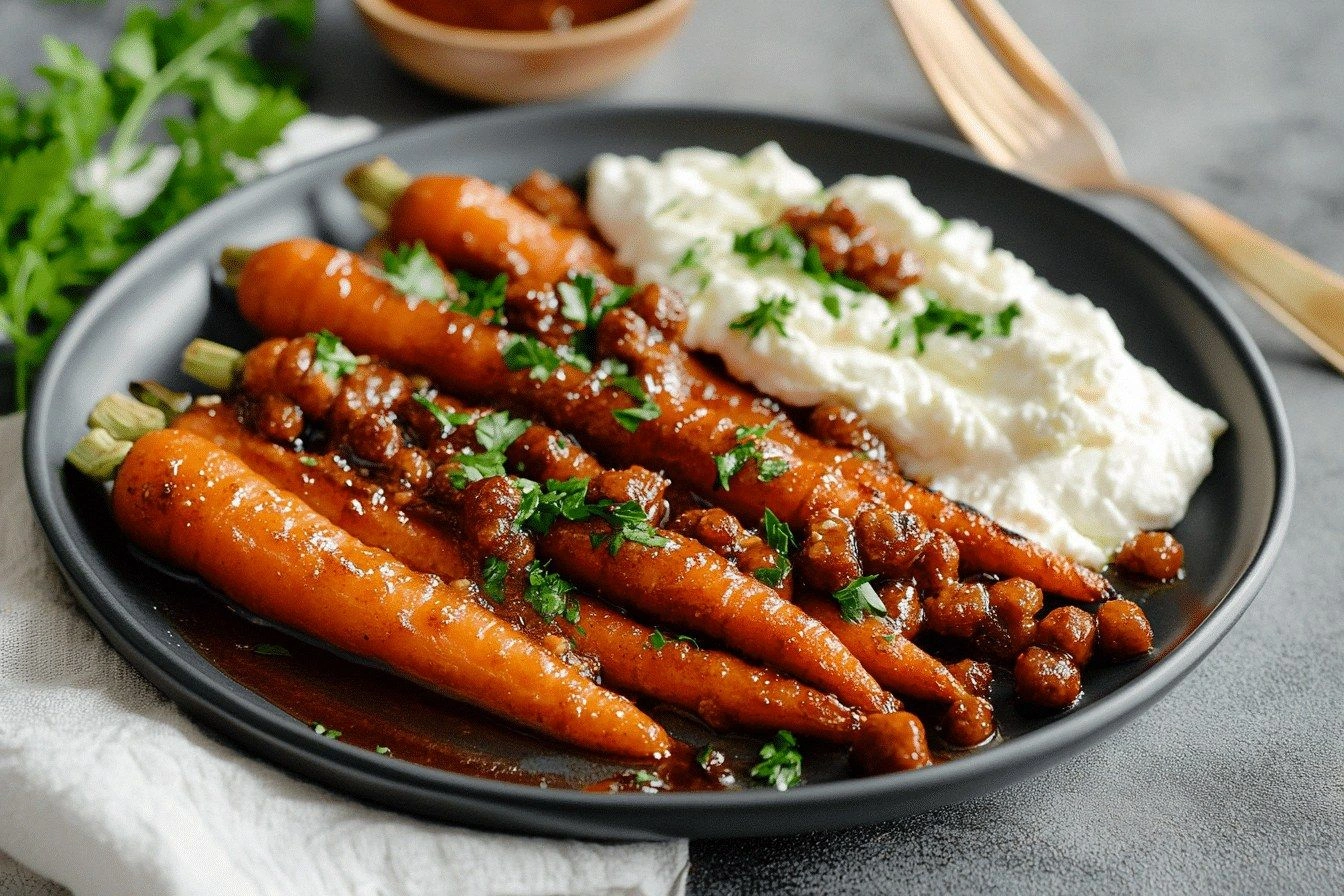
Picture this: I’m standing in a cramped kitchen, a bowl of raw carrots on the counter, and a friend’s dare echoing in my head – “Make the best harissa carrots ever, or you’ll never eat them again.” The moment I cracked a carrot and tossed it into a skillet, the scent of cumin and smoked paprika hit my nose like a spicy perfume, and I knew I was on a culinary roller coaster. I’ve tried every carrot recipe out there, from sweet glazed to savory roasted, but none of them delivered that punch of heat balanced by a silky, caramelized glaze that makes every bite feel like a secret weapon. This version is different because it marries the fiery depth of harissa with a touch of honey, a splash of lemon, and a final flourish of fresh herbs that turns a humble vegetable into a showstopper.
As the carrots sizzle, I watch them transform from pale sticks into golden jewels, the edges crisping until they crack like brittle ice. The aroma that rises is a heady mix of roasted carrot sweetness and harissa’s peppery bite, punctuated by a faint citrus tang that keeps the palate refreshed. My ears pick up the rhythmic hiss of oil, the subtle pop of carrots hitting the pan, and the faint crackle as the glaze thickens. I can almost taste the first bite – the crunch of the carrot, the heat from the harissa, the mellow sweetness of honey, and that bright finish from lemon juice. The texture is a dance between tender and crisp, a delightful contrast that keeps you reaching for more.
Most people treat carrots as a side dish, but I’ve turned them into a conversation starter. I’ll be honest – I ate half the batch before anyone else got a chance, and the rest of the group was left begging for the recipe. What sets this version apart is the precise balance of flavors and the technique that locks in the glaze without drying the carrots. I dare you to taste this and not go back for seconds, because once you’ve experienced the perfect blend of heat, sweetness, and citrus, you’ll never settle for ordinary.
Picture yourself pulling this out of the oven, the whole kitchen smelling incredible, the plate gleaming with caramelized edges, and a crowd of friends cheering for a dish you just whipped up. Okay, ready for the game‑changer? Let me walk you through every single step – by the end, you’ll wonder how you ever made it any other way.
What Makes This Version Stand Out
- Heat: The harissa paste is the star, delivering a robust, smoky heat that’s balanced by a gentle sweetness. It’s not just spicy; it’s a flavor punch that lingers without overwhelming.
- Texture: The caramelization process creates a glossy glaze that clings to each carrot, giving a satisfying snap on the outside while keeping the interior tender.
- Simplicity: With only a handful of pantry staples, you can transform carrots into a gourmet side in under 45 minutes.
- Uniqueness: The combination of honey, lemon, and fresh cilantro adds layers of flavor that set this dish apart from traditional roasted carrots.
- Crowd Reaction: Guests often remark that this dish is “the most exciting carrot dish” they’ve ever tasted, making it a perfect choice for dinner parties.
- Ingredient Quality: Using high‑quality harissa and fresh carrots ensures that every bite delivers depth and authenticity.
- Cooking Method: The two‑step roasting technique locks in moisture while achieving a caramelized finish.
- Make‑Ahead Potential: The glazed carrots keep well in the fridge and can be reheated without losing flavor.
Alright, let’s break down exactly what goes into this masterpiece…
Inside the Ingredient List
The Flavor Base
The foundation of this dish is the harissa paste, a North African chili blend that brings heat, smokiness, and depth. A tablespoon of harissa is enough to ignite the flavor profile without drowning the natural sweetness of the carrots. If you can’t find harissa, a mix of paprika, cayenne, and a touch of cumin can serve as a decent substitute, but the authentic paste is unbeatable.
Olive oil is essential for roasting; it helps the carrots caramelize and prevents sticking. Use a light, high‑smoke‑point oil if you’re sensitive to the oil’s flavor, but extra virgin olive oil adds a fruity note that complements the harissa’s heat.
Honey or maple syrup is the sweet counterbalance. It reacts with the heat to create a glossy glaze that’s both fragrant and visually appealing. If you prefer a less sweet version, reduce the honey by half or replace it with a drizzle of agave nectar.
The Texture Crew
Carrots themselves are the star. Fresh, firm carrots with a bright orange hue provide the best sweetness and crunch. Slice them into uniform sticks or rounds so they cook evenly and develop a consistent glaze.
Ground cumin and smoked paprika add earthy undertones that deepen the overall flavor. They also help to mellow the harissa’s intensity, creating a more rounded taste. If you’re avoiding spices, you can skip cumin; just double the harissa for a sharper kick.
Salt and pepper are the silent heroes, enhancing every other component. Salt brings out the natural sugars in the carrots, while pepper adds a subtle bite. Taste as you go; don’t be afraid to adjust seasoning at the end.
The Unexpected Star
Fresh cilantro is the finishing touch that brightens the dish. Its citrusy, slightly peppery flavor cuts through the richness of the glaze and adds a pop of color. If cilantro is off your list, parsley or basil can provide a similar freshness.
To elevate the dish further, sprinkle toasted pine nuts or slivered almonds on top. The nutty crunch contrasts beautifully with the caramelized edges and adds a nutty aroma that’s surprisingly complementary to harissa.
The Final Flourish
A squeeze of lemon juice is the secret that ties everything together. The acidity sharpens the caramelization and balances the sweetness, giving the dish a lively finish that makes it feel less heavy.
When you’re ready to serve, a quick drizzle of extra virgin olive oil or a splash of warm water can help re‑hydrate the carrots if they’ve dried out during storage. A final sprinkle of fresh herbs brings the dish to life on the plate.
Everything’s prepped? Good. Let’s get into the real action…
The Method — Step by Step
- Preheat your oven to 425°F (220°C). Line a baking sheet with parchment paper or a silicone mat to prevent sticking. This high heat will help the carrots develop a caramelized exterior while staying tender inside.
- Trim the carrot ends and cut them into uniform sticks, about 1.5 inches long. Consistency in size ensures even cooking and a uniform glaze. If you’re short on time, you can leave them whole; just be aware they may cook unevenly.
- In a large bowl, whisk together 3 tablespoons of olive oil, 2 tablespoons of harissa paste, 1 tablespoon of honey, 1 tablespoon of lemon juice, 1 teaspoon of ground cumin, ½ teaspoon of smoked paprika, and a pinch of ground coriander. This sauce is the flavor backbone; make sure the mixture is smooth to coat each carrot evenly.
- Add the carrot sticks to the bowl and toss until they’re fully coated. The glaze should cling to each piece like a velvet curtain. This step is critical; a thin, even coating ensures the carrots caramelize properly.
- Spread the carrots in a single layer on the prepared baking sheet. Avoid overcrowding; the carrots need room to breathe so they roast rather than steam. If you have two sheets, spread them out to maintain even heat distribution.
- Roast in the preheated oven for 20 minutes, flipping once halfway through. The carrots should develop a golden-brown color and a fragrant aroma that’s unmistakably caramelized. Watch the edges; when they start pulling away from the parchment, the glaze is at its peak.
- Remove from the oven and sprinkle with 2 tablespoons of chopped fresh cilantro and a pinch of toasted pine nuts. The fresh herbs add brightness, while the nuts provide a nutty crunch that contrasts beautifully with the sweet glaze.
- Transfer the carrots to a serving platter and drizzle an additional splash of lemon juice over the top. This final touch brightens the dish and brings the flavors together. Serve immediately while the glaze is still glossy.
That’s it — you did it. But hold on, I’ve got a few more tricks that will take this to another level…
Insider Tricks for Flawless Results
The Temperature Rule Nobody Follows
Many people roast vegetables at a lower temperature to avoid burning, but for caramelization you need that high heat. A 425°F oven gives the carrots a crisp exterior and a sweet interior. If you’re using a convection oven, lower the temperature by 25°F to prevent over‑cooking.
Why Your Nose Knows Best
Before you taste the carrots, give them a sniff. The aroma of roasted carrots with harissa and honey is an early indicator that the glaze is developing correctly. A sweet, caramelized scent means you’re on the right track.
The 5‑Minute Rest That Changes Everything
Let the roasted carrots sit for five minutes off the heat before serving. This rest period allows the glaze to set, giving the carrots a glossy finish that’s easier to scoop with a spoon.
Use a Silicone Mat for Easy Clean‑Up
A silicone baking mat keeps the carrots from sticking, making clean‑up a breeze. It also distributes heat evenly, ensuring each carrot receives consistent roasting.
Adjusting the Sweetness Level
If you prefer a sweeter glaze, double the honey or add a splash of maple syrup. For a more savory version, reduce the honey by half and add an extra teaspoon of harissa to maintain heat.
Creative Twists and Variations
This recipe is a playground. Here are some of my favorite ways to switch things up:
Spicy Pine Nut Crunch
Swap the toasted pine nuts for toasted slivered almonds. Add a pinch of crushed red pepper flakes for an extra kick. This version is perfect for a brunch where guests appreciate a nutty, spicy bite.
Sweet and Smoky Maple Glaze
Replace honey with pure maple syrup and add a dash of liquid smoke. The maple’s depth complements the harissa’s smokiness, creating a complex flavor profile that pairs well with pork or chicken.
Citrus‑Infused Citrus
Use orange juice instead of lemon, and garnish with orange zest. The bright citrus notes elevate the dish for a summer dinner or a Mediterranean-inspired meal.
Roasted Root Medley
Include parsnips, sweet potatoes, and beets alongside the carrots. The diverse root vegetables add color and texture, making the dish a hearty side or a main for a vegetarian spread.
Herb‑Infused Finale
Finish with a drizzle of fresh mint or basil. The herb’s coolness balances the heat and adds a fragrant finish that’s ideal for a summer gathering.
Glazed Carrot Slaw
Shred the roasted carrots and toss them with a light vinaigrette, cucumber, and diced red onion. Serve as a refreshing slaw that’s great for picnics or a quick lunch.
Storing and Bringing It Back to Life
Fridge Storage
Store the glazed carrots in an airtight container in the refrigerator for up to 3 days. The glaze may thicken slightly; a quick stir and a splash of warm water can restore the glossy sheen.
Freezer Friendly
Freeze in a single layer on a parchment-lined tray before transferring to a freezer bag. The carrots can be kept for up to 2 months. Reheat in the oven at 350°F for 10 minutes, or microwave on high for 2 minutes, adding a splash of water if needed.
Best Reheating Method
Reheat in a skillet over medium heat, adding a tablespoon of water to create steam. This technique prevents the carrots from drying out and restores the caramelized glaze. A quick squeeze of fresh lemon juice before serving brings the flavors back to life.