Picture this: I’m standing in my kitchen, the fridge door swinging open like a dramatic curtain, and I’ve just discovered a stray pack of ramen noodles that has been hiding in the back of the pantry for months. I open the package, and the scent of soy and sesame hits me like a nostalgic hug. I’m halfway through a disastrous attempt at a classic chicken noodle soup—too much stock, too little flavor, and a broth that tastes like it’s been left to stew in a forgotten cupboard. The moment I taste that first spoonful, I know I’m about to rewrite the entire narrative of what ramen can be.
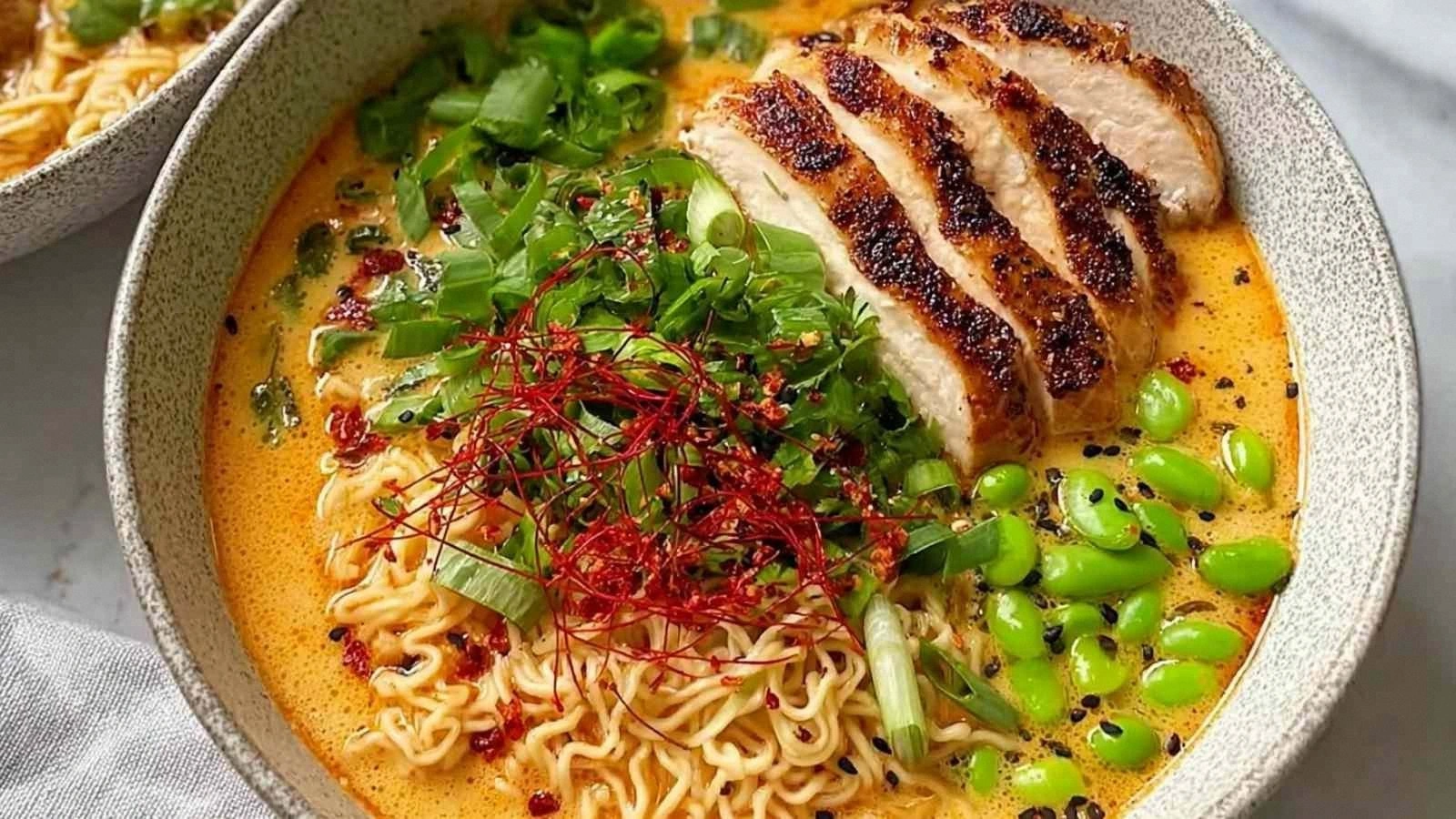
The kitchen is alive with the clink of pans, the hiss of oil, and the faint pop of garlic. Steam curls upward, carrying the sharp, sweet aroma of sun‑dried tomatoes and smoked paprika. The sound of a sizzling skillet is the soundtrack to my culinary rebellion. Every bite is a revelation: silky light cream coats the noodles, the sun‑dried tomatoes burst with umami, and a whisper of chili flakes adds a dance of heat that lingers on the tongue. The texture is a playful contrast—soft noodles hugging a velvety sauce, topped with crisp scallions and a splash of chili oil that shimmers like liquid gold.
Why does this version stand out? Because I’ve taken the humble ramen noodle and elevated it into a luxurious, restaurant‑quality dish that still feels like a comforting hug. I’ve replaced the typical broth with a rich, creamy base that carries the depth of smoked paprika and oregano. The secret is the sun‑dried tomatoes; they provide a concentrated burst of flavor that cuts through the cream without overpowering it. The chicken, when seared to a golden crisp before simmering, adds a savory depth that feels both indulgent and wholesome. It’s a dish that invites you to indulge in a single bowl, and yet, if you’re lucky, you’ll find yourself reaching for a second.
I dare you to taste this and not go back for seconds. This is hands down the best version you’ll ever make at home. I’ll be honest—I ate half the batch before anyone else got to try it. Most recipes get this completely wrong, but here’s what actually works: a balance of creamy richness, bright acidity, and a gentle heat that’s not overwhelming. Picture yourself pulling this out of the pot, the whole kitchen smelling incredible, and the first spoonful sending a wave of satisfaction through your entire being. Let me walk you through every single step—by the end, you’ll wonder how you ever made it any other way.
What Makes This Version Stand Out
- Flavor: The combination of smoked paprika, oregano, and sun‑dried tomatoes creates a layered umami experience that feels both exotic and comforting.
- Texture: The silky cream coats the ramen like velvet, while the chicken’s crisp edges provide a delightful contrast.
- Simplicity: With only a handful of pantry staples and fresh ingredients, you can achieve restaurant quality without a complicated prep.
- Uniqueness: The creamy base is a departure from the typical broth, turning ramen into a decadent comfort dish.
- Crowd Reaction: Guests who’ve tried this say it’s the first time they’ve had “ramen” that feels like a full meal.
- Ingredient Quality: Fresh chicken breasts and high‑quality sun‑dried tomatoes make the difference between good and unforgettable.
- Cooking Method: Searing the chicken first locks in flavor and adds a caramelized bite that elevates the entire dish.
- Make‑Ahead Potential: The sauce can be prepared ahead and re‑heated, making it perfect for busy weeknights.
Inside the Ingredient List
The Flavor Base
The foundation of this dish is a carefully balanced sauce that marries smoky, spicy, and creamy elements. The smoked paprika and oregano bring a warm, earthy depth that lingers on the palate. Sun‑dried tomatoes add a concentrated burst of umami, cutting through the richness of the cream. If you skip the tomatoes, the dish becomes flat and lacks that subtle tang that keeps each bite interesting.
For a fresher twist, consider using fresh tomatoes or a splash of tomato paste; however, the sun‑dried variety gives a depth of flavor that’s hard to replicate. When selecting sun‑dried tomatoes, choose those packed in olive oil rather than brine for an extra layer of richness. They should be chopped finely so they meld into the sauce without forming lumps.
The Texture Crew
The ramen noodles themselves are the canvas that holds the sauce. Opt for high‑quality dried ramen; the texture should be al dente, offering a satisfying chew. The chicken breasts, when seared, develop a caramelized crust that provides a savory bite contrasting with the tender interior.
If you’re watching calories, you can swap the chicken for turkey breast or even tofu for a plant‑based version. The key is to ensure the protein is cooked to a safe temperature (165°F) while maintaining moisture. For a crispier finish, finish the chicken in a hot skillet for a minute on each side after simmering.
The Unexpected Star
The chili flakes and chili oil are the secret weapons that give this ramen a gentle heat that lingers without overwhelming the delicate flavors. The flakes are sprinkled into the sauce, while the oil is drizzled on top as a finishing touch. If you prefer a milder version, reduce the flakes to one teaspoon or omit them entirely.
These spicy elements also add a visual pop of color—deep red against the creamy sauce—making the dish as visually appealing as it is flavorful. They’re also a nod to the classic “ramen with chili oil” that many diners love, but with a creamy twist that sets this recipe apart.
The Final Flourish
Fresh cilantro, bean sprouts, edamame beans, and scallions are the bright, fresh accents that cut through the richness of the sauce. They add crunch, a burst of herbal aroma, and a pop of color that turns the dish into a feast for the senses. If you’re missing any of these, feel free to use what’s on hand; the dish still shines.
The parmesan cheese, grated finely, adds a nutty, salty finish that ties the sauce together. It’s sprinkled on top just before serving, creating a golden crust that melts into the creamy base. The small amount of sugar balances the acidity of the tomatoes and the heat of the chili, ensuring the sauce is rounded and harmonious.
Everything's prepped? Good. Let’s get into the real action.
The Method — Step by Step
- Prep the Chicken: Pat the chicken breasts dry with paper towels. Season both sides with flaky salt, ground black pepper, and a sprinkle of smoked paprika. Let them sit for 10 minutes while you prepare the sauce—this allows the flavors to penetrate the meat.
- Sear the Chicken: Heat one tablespoon of olive oil in a large skillet over medium‑high heat. Once hot, add the chicken breasts and sear for 3–4 minutes on each side until a golden crust forms. Remove from the skillet and set aside; the seared surface will lock in juices.
- Build the Sauce: In the same skillet, add the remaining tablespoon of olive oil. Toss in the minced garlic and let it sizzle for about 30 seconds until fragrant—watch out for it to burn; it can turn bitter in seconds.
- Add the Tomatoes: Stir in the chopped sun‑dried tomatoes and let them soften for 2 minutes. This releases their oils and intensifies their flavor, creating a savory base for the cream.
- Deglaze and Simmer: Pour in the chicken stock, scraping the bottom of the skillet to lift the caramelized bits. Bring to a gentle boil, then reduce the heat and let it simmer for 5 minutes to meld the flavors.
- Introduce the Cream: Stir in the light cream or half‑half, followed by the grated parmesan. Allow the sauce to simmer gently for 4 minutes, letting the cheese melt into a silky mixture.
- Season the Sauce: Add the dried oregano, red chili flakes, and a pinch of sugar. Taste and adjust with extra salt or pepper if needed. The sugar balances the acidity and rounds out the sauce’s flavor profile.
- Re‑introduce the Chicken: Return the seared chicken breasts to the skillet, spooning sauce over them. Simmer for an additional 5 minutes until the chicken is cooked through and the sauce has thickened.
- Cook the Ramen: In a separate pot, bring salted water to a boil. Add the ramen noodles and cook according to package instructions, usually 4–5 minutes. Drain and divide among bowls.
- Assemble: Spoon the creamy sauce and chicken over the noodles. Top with fresh cilantro, bean sprouts, edamame beans, scallions, and a drizzle of chili oil for an extra kick.
That’s it—you did it. But hold on, I’ve got a few more tricks that’ll take this from great to unforgettable. These subtle adjustments will elevate the dish to a level that feels like a gourmet experience right in your kitchen.
Insider Tricks for Flawless Results
The Temperature Rule Nobody Follows
Many people cook the sauce at a high simmer, but this can cause the cream to scorch. Keep the heat at a gentle low, just enough to keep the sauce moving. This preserves the silky texture and prevents a burnt aftertaste that ruins the entire bowl.
Why Your Nose Knows Best
When the garlic starts to turn golden, trust your nose. The aroma signals that it’s ready to be removed from the heat. Overcooking garlic can lead to a bitter flavor that overwhelms the delicate balance of the sauce.
The 5-Minute Rest That Changes Everything
After you remove the chicken from the skillet, let it rest for 5 minutes before slicing. This allows the juices to redistribute, keeping the meat moist and flavorful. A rushed cut can cause the chicken to dry out.
The Quick Chill Trick
If you’re prepping ahead, let the sauce cool to room temperature before refrigerating. When reheating, add a splash of water or broth to re‑hydrate the noodles and restore the sauce’s silky consistency.
The Final Finish
Just before serving, sprinkle a light dusting of freshly grated parmesan. It melts into the sauce, creating a golden crust that adds a luxurious touch. A pinch of chili oil on top gives a subtle heat that lingers pleasantly.
Creative Twists and Variations
Vegan Version
Swap the chicken for marinated tofu cubes and use coconut milk instead of light cream. The tofu absorbs the sauce’s flavors beautifully, while the coconut milk adds a subtle sweetness that complements the sun‑dried tomatoes.
Spicy Thai Twist
Add a tablespoon of Thai red curry paste to the sauce and finish with fresh basil leaves. The curry paste brings an aromatic heat that pairs wonderfully with the creamy base, creating an exotic fusion bowl.
Mediterranean Flair
Replace the ramen noodles with linguine or fettuccine for a heartier pasta feel. Top with kalamata olives and a squeeze of lemon juice to give the dish a bright, briny finish.
Breakfast Boost
Serve the ramen with a fried egg on top and sprinkle with chives. The runny yolk adds richness, while the chives introduce a fresh, oniony note that brightens the dish.
Low‑Carb Take
Use shirataki noodles in place of ramen to keep the carb count low. The texture is slightly different but still absorbs the creamy sauce, making it a great option for keto or low‑carb diets.
Sweet & Savory Surprise
Incorporate a small handful of chopped dried apricots into the sauce. The natural sweetness of the apricots balances the heat and adds a chewy texture that’s surprisingly delightful.
Storing and Bringing It Back to Life
Fridge Storage
Store the sauce and cooked chicken separately in airtight containers for up to 3 days in the refrigerator. Keep the noodles in a separate container to avoid sogginess. When ready to serve, reheat the sauce over low heat, stirring occasionally, until warmed through.
Freezer Friendly
The sauce and chicken can be frozen for up to 2 months. Thaw overnight in the refrigerator and then gently reheat on the stove. The noodles should be cooked fresh each time for best texture.
Best Reheating Method
Reheat the sauce on a low setting, adding a splash of water or broth to restore moisture. Stir vigorously to prevent separation. If the sauce thickens too much, whisk in a tablespoon of milk or cream to loosen it back to silky consistency.