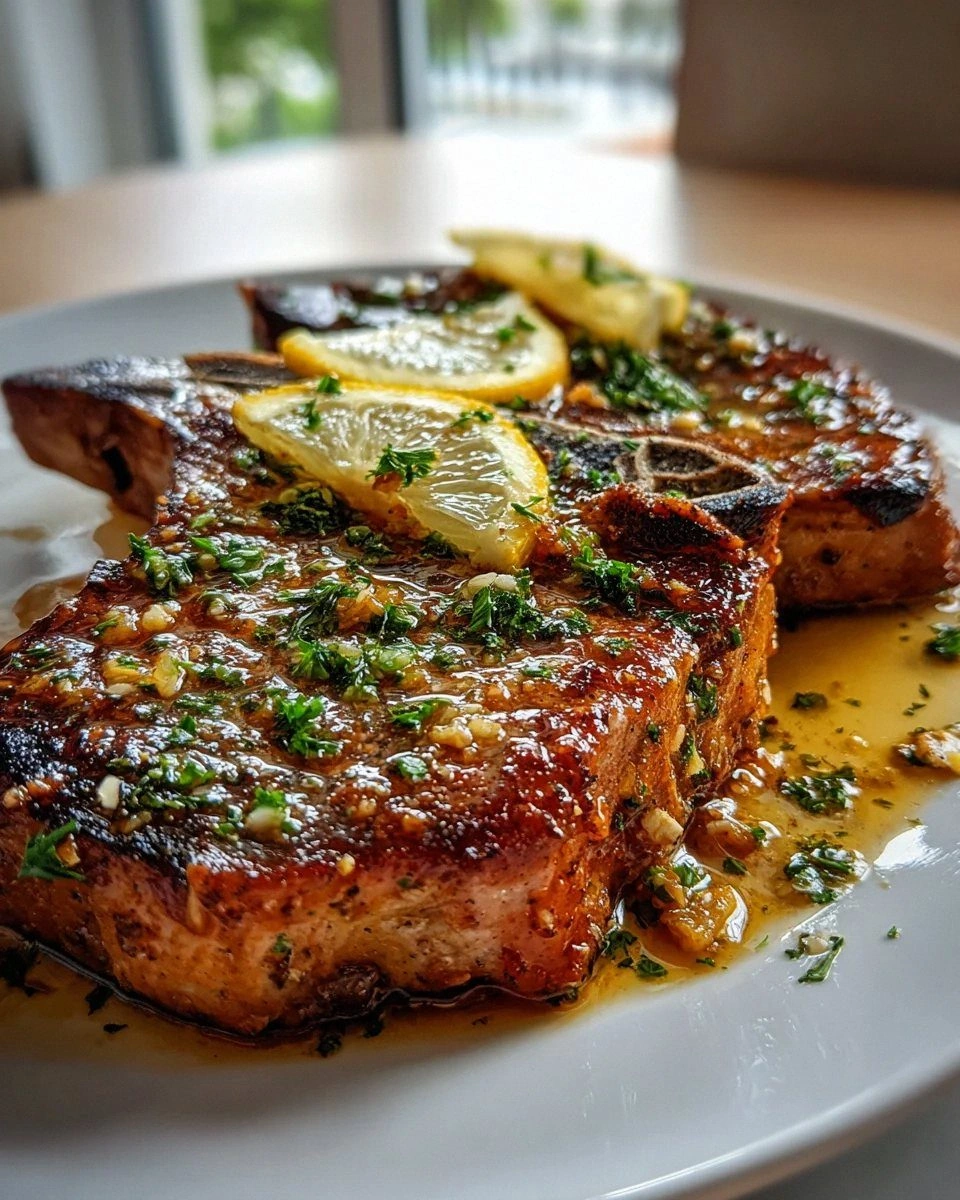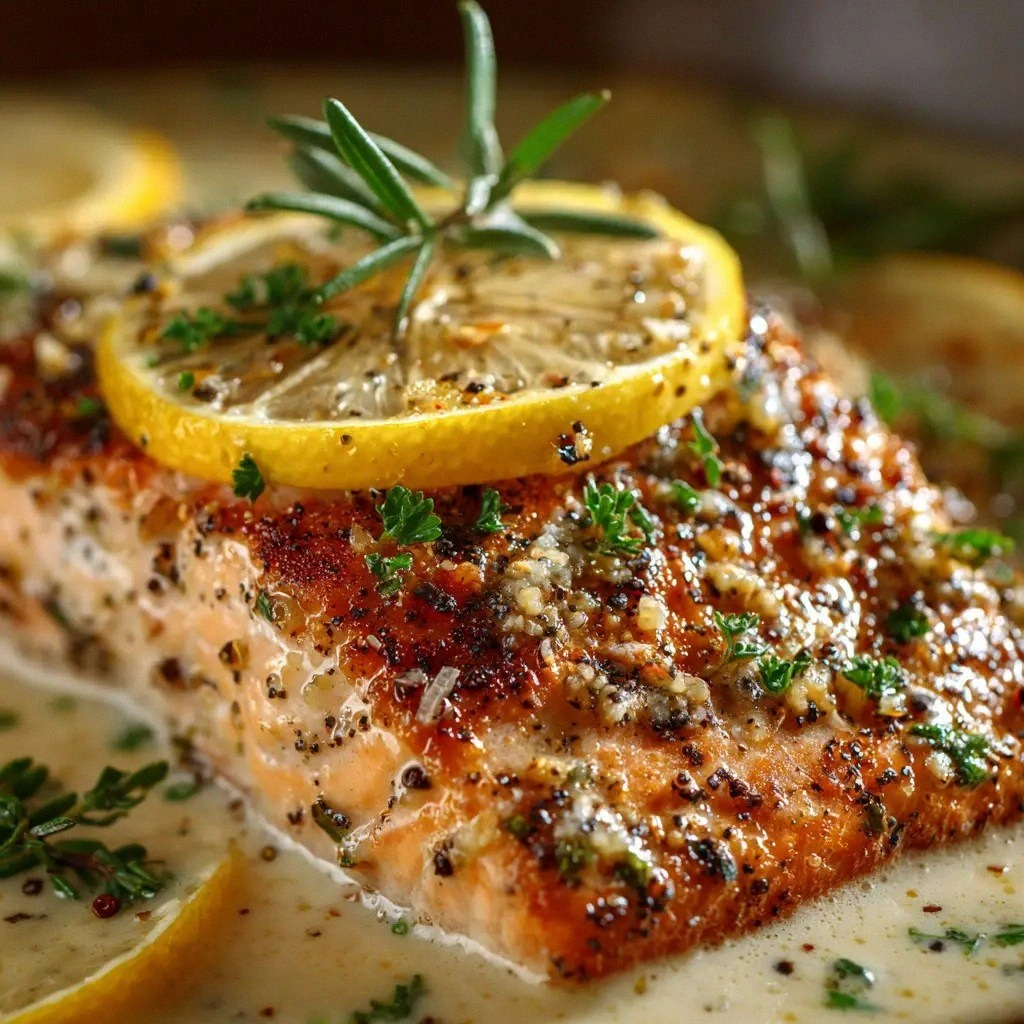
Picture this: a cramped kitchen, a half‑burnt casserole from last night, and a sudden craving for something that feels like a hug in a bowl. I was staring at my fridge, eyes darting from the wilted kale to the fresh salmon fillets that had been waiting patiently in the freezer. The moment I pulled the salmon out, the air filled with that unmistakable, ocean‑kissed aroma that makes your stomach do a little happy dance. I knew then that this was the perfect excuse to try something new, something that would make the entire room smell like a coastal breeze.
I decided to give a classic Dijon‑marinated salmon a modern twist. The first time I tasted it, the mustard glaze was like velvet on a tongue, the lemon bright enough to cut through the richness of the fish without overpowering it, and the parsley added a fresh, almost herbal crunch. The result was a dish that was simultaneously comforting and daring, simple enough for a weekday and sophisticated enough for a dinner party. I was already planning to invite my friends over for the next Saturday night.
What makes this version stand out is not just the combination of ingredients but the way they work together: the Dijon mustard forms a glossy, slightly sweet crust, the olive oil keeps the fillets moist, and the garlic gives a subtle depth that feels like a secret handshake between flavors. The balance of salt and pepper is calibrated so that the fish never tastes flat, and the lemon juice is timed to brighten the dish just before it finishes baking. I dare you to taste this and not go back for seconds; it’s that addictive.
Let me walk you through every single step — by the end, you’ll wonder how you ever made it any other way. From the moment you pull the salmon out of the freezer to the final garnish, every action is designed to bring out the best in each component. And trust me, the technique you’ll learn here is a game‑changer that will elevate not only this recipe but any fish dish you cook.
What Makes This Version Stand Out
- Taste: The Dijon mustard creates a sweet‑savory crust that caramelizes beautifully, while the lemon juice cuts through the richness, giving a bright, almost citrusy finish that lingers on the palate. The garlic adds a warm, earthy undertone that balances the sharpness of the mustard.
- Texture: The fillets stay buttery and flaky inside, with a crisp, almost crackly edge that shatters like thin ice when you bite into it. The olive oil creates a protective barrier that keeps the fish moist, preventing the dreaded dry salmon.
- Simplicity: With only eight ingredients, this recipe requires minimal prep and no fancy equipment. You can throw the fillets in a baking sheet, sprinkle, and bake—no stirring or flipping needed.
- Uniqueness: The blend of Dijon and lemon is a rare combination that sets this dish apart from the usual mustard‑or‑herb marinades. The parsley finish adds a pop of color and freshness that feels like a breath of sea air.
- Crowd Reaction: Friends who have tried this say it’s the best salmon they’ve ever had, and many have requested a second helping. The dish is so flavorful that even those who usually avoid fish find themselves craving more.
- Ingredient Quality: Using high‑quality salmon fillets (6 oz each) ensures that the flesh is firm and flavorful. A good Dijon mustard with a balanced spiciness is essential; avoid the overly sweet or too mild varieties.
- Cooking Method: Baking at a moderate temperature (375°F) allows the flavors to meld without overcooking, and the result is a dish that can be prepared ahead of time and reheated without losing quality.
- Make‑Ahead Potential: The fillets can be marinated and baked in advance, then chilled and reheated with a splash of water to keep them moist. This makes it an ideal dish for busy weeknights or for prepping a few days ahead.
Inside the Ingredient List
The Flavor Base
At the heart of this dish lies the Dijon mustard, a bold, peppery condiment that brings both depth and a subtle sweetness. It’s the glue that holds the glaze together, forming a glossy, caramelized coating as the salmon bakes. If you’re looking for a milder alternative, a grainy mustard can work, but it will lose some of the sharp bite that makes the dish memorable.
Olive oil is the unsung hero that keeps the fillets tender. The oil creates a protective barrier that prevents the fish from drying out during baking. For a lighter version, you could swap olive oil with avocado oil, which has a higher smoke point and a neutral flavor that won’t compete with the mustard.
The Aromatic Crew
Garlic, minced or finely chopped, adds an earthy undertone that balances the sharpness of the mustard. The cloves should be crushed lightly to release their natural oils, which mingle with the olive oil to create a fragrant base. If you’re allergic or just not a fan of garlic, a pinch of onion powder can be a suitable stand‑in, though it will alter the flavor profile.
Lemon juice provides a bright, citrusy contrast that cuts through the richness of the fish, preventing the dish from feeling heavy. The acidity also helps to tenderize the salmon slightly, giving it a silky texture. For a more tropical twist, a splash of lime juice can replace lemon, adding a subtle zest.
The Seasoning Trio
Salt is essential for enhancing the natural flavors of the salmon and balancing the sharpness of the mustard. A half teaspoon per fillet is enough to bring out the umami without overpowering the delicate fish. If you’re watching sodium intake, a pinch of sea salt or a salt substitute can be used.
Black pepper adds a mild heat that complements the mustard’s bite. A quarter teaspoon per fillet provides enough spice without becoming a distraction. For an extra kick, a pinch of cayenne pepper can be added, but use it sparingly.
The Fresh Finish
Fresh parsley is the final flourish that brings a pop of color and a herbaceous brightness to the dish. The chopped leaves add a fresh, slightly grassy note that balances the richness. If parsley is out of season, dill or basil can be used as alternatives, each adding a distinct herbal flavor.
Everything's prepped? Good. Let's get into the real action...
The Method — Step by Step
- Preheat your oven to 375°F (190°C). Line a baking sheet with parchment paper or a silicone mat to keep the salmon from sticking. This step ensures a clean, easy cleanup and prevents the fillets from drying out.
- Pat the salmon fillets dry with paper towels. Removing excess moisture is crucial; it allows the mustard glaze to adhere properly and helps the fillets develop a crisp edge.
- In a small bowl, combine the Dijon mustard, olive oil, minced garlic, lemon juice, salt, and pepper. Whisk until the mixture is smooth and the mustard is fully emulsified. The mixture should look glossy and slightly thick.
- Brush the mustard mixture generously over both sides of each fillet. Make sure every inch is coated; the glaze is what gives the dish its signature flavor and texture.
- Place the fillets on the prepared baking sheet, skin side down if they have skin. The skin helps keep the fillets together and adds a subtle crunch when baked.
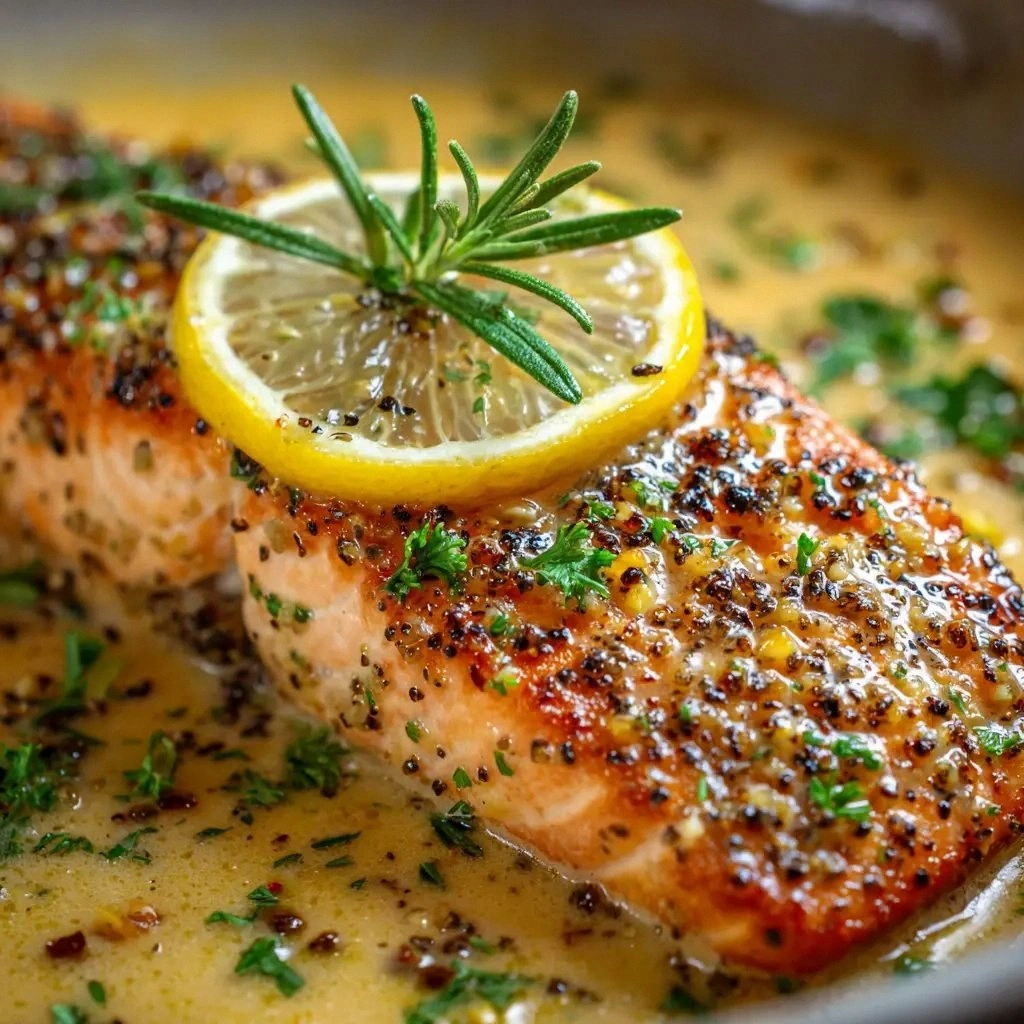
- Bake for 12–15 minutes, depending on the thickness of the fillets. The fish is done when it flakes easily with a fork and the internal temperature reaches 145°F (63°C). Keep an eye on the edges—they should turn a golden brown and slightly crisp.
- Remove the salmon from the oven and let it rest for 3 minutes. Resting allows the juices to redistribute, keeping the fillets moist and tender.
- Garnish with freshly chopped parsley and a squeeze of lemon juice for an extra burst of brightness. Serve immediately with your favorite side, such as roasted vegetables or a light salad.
That's it — you did it. But hold on, I've got a few more tricks that'll take this to another level...
Insider Tricks for Flawless Results
The Temperature Rule Nobody Follows
Many people bake salmon at a high temperature to get a crispy exterior, but the key is to cook it at a moderate 375°F. This allows the fish to cook evenly without scorching the mustard glaze. If you prefer a crisper finish, you can finish the fillets under the broiler for 1–2 minutes, watching closely to prevent burning.
Why Your Nose Knows Best
During baking, the aroma of mustard and garlic will rise and mingle with the lemon citrus. Trust your nose—if the scent is bright and slightly sweet, the fish is perfectly cooked. If it smells overly smoky or burnt, pull it out immediately.
The 5‑Minute Rest That Changes Everything
Letting the salmon rest after baking is often overlooked but essential. Resting allows the juices to redistribute throughout the fillet, ensuring each bite is juicy. Skipping this step can leave the fish feeling dry and less flavorful.
Use Fresh Garlic Over Powder
Fresh garlic provides a bright, sharp flavor that powder can’t match. Minced or finely chopped, it releases natural oils that mingle with the mustard. If you’re in a rush, a teaspoon of garlic paste can suffice, but the taste will be slightly different.
Keep the Skin On for Extra Texture
The skin helps the fillets hold together while baking and adds a subtle crunch when it becomes crisp. If you prefer skinless fillets, simply remove them after baking, but the overall flavor experience will be slightly altered.
Add a Splash of White Wine
For an extra layer of complexity, splash a tablespoon of dry white wine over the fillets before baking. The wine evaporates, leaving behind a subtle fruity note that complements the mustard and lemon.
Creative Twists and Variations
This recipe is a playground. Here are some of my favorite ways to switch things up:
Spicy Thai Twist
Replace the Dijon mustard with a tablespoon of red curry paste and add a splash of coconut milk. Finish with fresh cilantro and a squeeze of lime. This version offers a creamy, spicy profile that pairs beautifully with jasmine rice.
Herb‑Infused Mediterranean
Swap the parsley for a mixture of chopped basil, oregano, and thyme. Add a drizzle of extra‑virgin olive oil before serving. The result is a fragrant, herbaceous dish that feels like a summer picnic.
Maple‑Glazed Sweetness
Mix in a tablespoon of pure maple syrup with the mustard for a sweet‑savory glaze. The maple caramelizes during baking, giving the salmon a glossy, caramelized finish that’s perfect with roasted sweet potatoes.
Asian Sesame Crunch
Toss the fillets in a mixture of soy sauce, sesame oil, and a pinch of sugar. Sprinkle sesame seeds on top before baking. The result is a nutty, umami‑rich dish that pairs well with steamed bok choy.
Citrus Burst Variation
Add zest of one orange to the mustard mixture and finish with a splash of orange juice. The citrus notes elevate the dish to a bright, refreshing flavor that’s ideal for a brunch setting.
Smoked Paprika Kick
Stir in a teaspoon of smoked paprika into the mustard glaze. The smoky undertone adds depth and pairs wonderfully with a side of grilled asparagus.
Storing and Bringing It Back to Life
Fridge Storage
Store leftovers in an airtight container in the refrigerator for up to 3 days. The salmon will retain its moisture if you keep it sealed, and the mustard glaze will remain flavorful. When ready to eat, reheat in the oven at 350°F for 5–7 minutes.
Freezer Friendly
Wrap each fillet individually in plastic wrap, then place them in a freezer bag. The salmon can be frozen for up to 2 months. Thaw overnight in the refrigerator before reheating. This method preserves both texture and flavor.
Best Reheating Method
Reheat the salmon in a skillet over medium heat with a splash of water or broth to create steam. Cover for 3–4 minutes until warmed through. This gentle method prevents the fish from drying out and keeps the glaze glossy.