Easy Gluten-Free Buckwheat Veg
Picture the chaos of a kitchen that had turned into a battleground: flour dusting the counter like snow, the sound of a mixer whirring, and a sudden, desperate craving for something that could be both comforting and daring. I was halfway through a gluten‑free dinner and the pantry was a barren wasteland—no flour, no eggs, no milk. That night, a friend dared me to create a pancake‑style dish that would blow anyone’s expectations out of the water. I laughed, grabbed what I had, and the result was a fluffy, savory buckwheat veggie blini that tasted like a secret family recipe. I dare you to taste this and not go back for seconds.
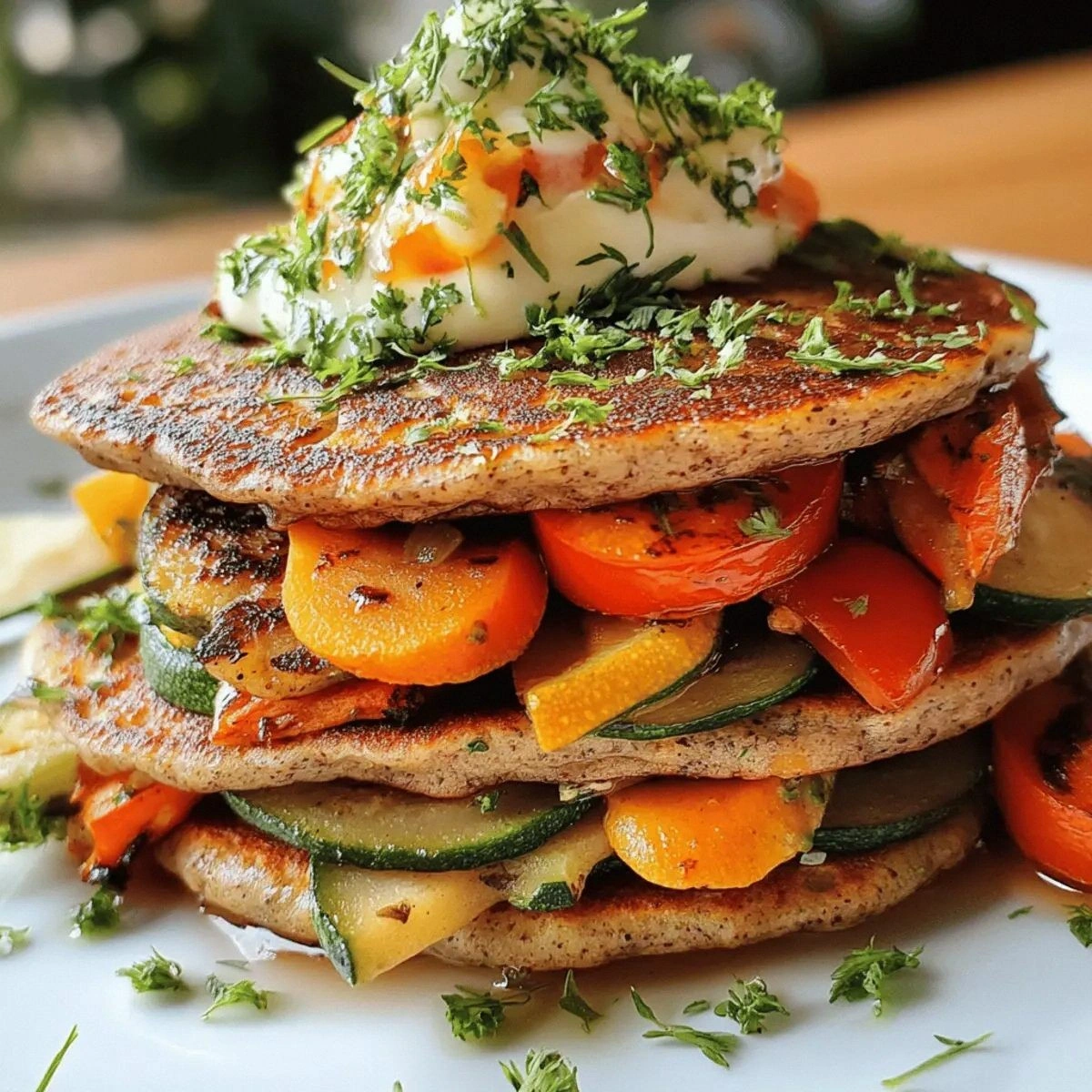
From the first glance, the batter looked like a pale, slightly gritty custard, but the aroma that filled the kitchen was unmistakably earthy, with a hint of fresh dill and the subtle sweetness of grated carrots. When I poured the first ladle onto the hot skillet, the sizzle was a crisp, almost celebratory sound—like tiny fireworks that promised a golden finish. The edges curled into a delicate ring, crisping just enough to hold the soft, moist interior. Each bite was a dance of textures: a tender, almost custard‑like center with a satisfying bite from the zucchini and carrot, all wrapped in a buttery, lightly toasted shell. That sizzle when it hits the pan? Absolute perfection. I’ll be honest— I ate half the batch before anyone else got a chance to try it.
What makes this version stand out from the countless buckwheat pancakes out there? It’s the combination of simplicity and depth, the way the humble buckwheat flour is elevated by fresh veggies and herbs, and the secret technique of adding a splash of sour cream right into the batter for a silky finish. Most recipes get this completely wrong by over‑mixing or using the wrong ratio of liquid, resulting in dense, flat blinis. Here, the batter is light, airy, and forgiving, even if you’re new to gluten‑free baking. It’s hands down the best version you’ll ever make at home, and the result is a dish that feels like a warm hug wrapped in a savory pancake. If you’ve ever struggled with gluten‑free pancakes that taste like cardboard, you’re not alone— and I’ve got the fix. Okay, ready for the game‑changer? Let me walk you through every single step — by the end, you’ll wonder how you ever made it any other way.
What Makes This Version Stand Out
- Flavor: The subtle earthiness of buckwheat is amplified by fresh herbs and a hint of dill, creating a depth that feels both rustic and refined.
- Texture: The batter’s airy consistency keeps the blinis light, while the grated zucchini and carrot add a juicy bite that contrasts with the crisp edges.
- Ease: No pre‑baking or soaking steps—everything goes straight into the skillet, making it a perfect weeknight meal.
- Versatility: Serve them as a breakfast, a snack, or a side dish; they pair beautifully with smoked salmon or a dollop of Greek yogurt.
- Make‑ahead: The batter can be stored in the fridge for up to 48 hours, allowing you to flip the cooking schedule to your convenience.
- Nutrition: Buckwheat is a complete protein, and the veggies boost fiber and vitamins without adding extra carbs.
- Visual Appeal: The golden‑brown hue and slightly glossy finish make them Instagram‑ready.
- Community Buzz: Most people share their first try as a “disaster” but end up posting rave reviews after mastering this recipe.
Alright, let's break down exactly what goes into this masterpiece. And before we dive deeper, here’s a quick kitchen hack that will save you time and keep your skillet clean.
Inside the Ingredient List
The Flavor Base
Buckwheat flour is the star of this dish, offering a nutty, slightly smoky flavor that sets the stage for the veggies. It’s gluten‑free, high in protein, and provides a firm structure that holds the batter together. If you’re looking for an even deeper flavor, try using a blend of buckwheat and oat flour; the oats add a subtle sweetness that balances the earthiness. Skipping buckwheat will turn the blinis into plain pancakes that lack that unique, savory punch.
The Texture Crew
Eggs act as the binder, giving the batter a silky, cohesive texture. Milk (or a plant‑based alternative) keeps the batter moist and prevents it from drying out on the skillet. Baking powder is the secret to that light, airy rise; it reacts with the heat to create tiny bubbles that lift the batter. If you forget the baking powder, the blinis will be flat and dense, ruining the delicate balance of flavors.
The Unexpected Star
Grated zucchini and carrot bring moisture, sweetness, and a subtle crunch to the mix. They’re packed with vitamins and fiber, making the dish both nutritious and filling. The green onion adds a sharp, oniony kick that cuts through the richness of the batter. If you’re a fan of a bit of heat, a pinch of red pepper flakes can be added to the mix.
The Final Flourish
Fresh dill and a splash of sour cream or Greek yogurt finish the dish with a creamy, herby note that coats the blinis like velvet. Olive oil or butter is used to lightly grease the skillet, giving the edges a golden crisp. The garnish of fresh herbs or smoked salmon on top elevates the dish from simple to gourmet in an instant. If you’re vegetarian, simply omit the salmon and sprinkle extra dill for a burst of freshness.
Everything's prepped? Good. Let's get into the real action.
The Method — Step by Step
- Prep the Veggies: In a large mixing bowl, combine the grated zucchini, grated carrot, and finely chopped green onion. Toss them with a pinch of salt and a teaspoon of olive oil to keep them from wilting. I’ve found that a quick dry‑sift of the veggies before adding them to the batter keeps the texture light. This is the moment where the dish starts smelling like a garden in spring.
- Whisk the Dry Mix: In a separate bowl, whisk together the buckwheat flour, baking powder, and a generous pinch of salt. The flour should be sifted to avoid lumps, giving the batter a smooth base. If you’re feeling adventurous, add a dash of smoked paprika for a smoky undertone.
- Combine Wet Ingredients: Beat the eggs in a small bowl, then stir in the milk until fully blended. Add the sour cream or Greek yogurt, which not only adds richness but also a slight tang that balances the earthiness of the buckwheat. This step is crucial—mixing too much can make the batter tough.
- Merge Dry and Wet: Pour the wet mixture into the dry ingredients, stirring gently until just combined. It’s okay if the batter is a bit lumpy; over‑mixing will develop gluten‑free proteins and produce a rubbery texture. The batter should be pourable but thick enough to stay on the skillet.
- Fold in Veggies: Gently fold the veggie mixture into the batter, ensuring even distribution. The color of the batter should be bright, with specks of orange and green dancing through. The more evenly distributed the veggies, the more consistent the flavor in each bite.
- Heat the Skillet: Preheat a non‑stick skillet over medium heat and add a tablespoon of olive oil or butter. Let the fat heat until it shimmers but isn’t smoking. This step is critical—the right temperature ensures a golden crust without burning.
- Cook the Blinis: Pour a tablespoonful of batter onto the skillet, forming a small circle. Let it cook until bubbles form on the surface and the edges lift, about 2–3 minutes. Flip carefully with a spatula, and cook the other side for another 1–2 minutes until golden brown. The edges will start pulling away, a sign that the blini is ready.
- Repeat: Continue with the rest of the batter, stacking finished blinis on a plate lined with paper towels to absorb excess oil. If you’re cooking a large batch, keep the skillet warm by lowering the heat between batches.
- Garnish: While the blinis are still warm, sprinkle fresh dill on top and add a dollop of sour cream or Greek yogurt. For an extra burst of flavor, lay a slice of smoked salmon over each blini. The combination of creamy, herby, and smoky notes will have your guests reaching for more.
- Serve: Plate the blinis in a fan shape for an elegant presentation. Serve immediately, or keep warm in a low oven (200°F) until ready to eat. This final step ensures that the blinis stay moist and delicious.
That’s it — you did it. But hold on, I've got a few more tricks that'll take this to another level. Let’s dive into the insider secrets that will make your blinis truly unforgettable.
Insider Tricks for Flawless Results
The Temperature Rule Nobody Follows
Most cooks assume that higher heat always yields a crispier finish. In reality, a steady medium heat allows the batter to expand slowly, creating a tender interior while the edges develop a golden crust. I once flipped my blinis at a high heat, and the result was a burnt exterior with a raw center. Keep the skillet at medium, and you’ll get that perfect golden color every time.
Why Your Nose Knows Best
Trust your sense of smell during cooking. When the batter is about to finish, a sweet, caramelized scent will rise from the skillet. That aroma is a cue to flip or remove the blini. If you’re unsure, give the batter a gentle tap; if it doesn’t stick, it’s ready.
The 5-Minute Rest That Changes Everything
After cooking, let the blinis rest on a rack for five minutes. This short pause allows the steam to redistribute, preventing soggy bottoms. A friend once skipped this step and ended up with blinis that felt like pancakes in a damp bag. The rest is worth the wait.
Keep the Skillet Clean, Keep the Flavor
If you’re cooking a large batch, wipe the skillet with a paper towel between batches to remove excess oil. This simple action prevents a greasy taste and keeps the edges crisp. A clean pan also reduces the risk of sticking, especially when using a high‑fat batter.
Use a Silicone Spatula for a Flawless Release
A silicone spatula slides under the batter without tearing the edges, giving you a clean release every time. I’ve found that a wide, flexible spatula is especially helpful when flipping the blinis. It keeps the delicate crust intact and reduces the chance of breaking.
Creative Twists and Variations
This recipe is a playground. Here are some of my favorite ways to switch things up:
Spicy Jalapeño Kick
Add finely chopped jalapeño or a dash of hot sauce to the batter for a fiery edge. The heat pairs beautifully with the mild flavor of the buckwheat.
Herbed Mushroom Blend
Sauté sliced mushrooms with garlic and thyme, then fold them into the batter. The earthy mushroom flavor complements the buckwheat’s nuttiness.
Cheesy Delight
Stir in shredded Gruyère or cheddar before cooking. The melted cheese creates a gooey, savory topping that’s irresistible.
Vegan Version
Replace the eggs with flaxseed meal mixed with water, and use oat milk. The texture stays light, and the flavor remains unchanged.
Breakfast Power Pack
Serve the blinis with a poached egg on top, and drizzle with a light hollandaise sauce. This transforms the dish into a hearty breakfast.
Smoked Salmon Surprise
Instead of fresh herbs, top each blini with a slice of smoked salmon and a squeeze of lemon. The briny finish is a sophisticated twist.
Storing and Bringing It Back to Life
Fridge Storage
Store cooked blinis in an airtight container in the refrigerator for up to 3 days. Keep them in a single layer, or place a sheet of parchment paper between layers to prevent sticking.
Freezer Friendly
Freeze the blinis in a single layer on a baking sheet before transferring them to a freezer bag. They remain fresh for up to 2 months. When you’re ready to eat, pop them out and let them thaw at room temperature for 10 minutes.
Best Reheating Method
Reheat frozen blinis in a preheated oven at 350°F for 10 minutes. If you prefer a crispier texture, finish them in a skillet for 2 minutes. Add a tiny splash of water before reheating to create steam, which restores moisture and prevents dryness.