It was a rainy Thursday, and my kitchen felt like a storm‑clouded attic. I had a handful of leftover chicken thighs, a bag of carrots that had been sitting in the fridge for days, and an empty crockpot that was begging for purpose. I was craving something that would turn that chaos into comfort, but I also wanted to prove that a slow cooker could be more than just a “set it and forget it” machine. That night, I pulled out my favorite spice jar, tossed in a handful of thyme, and decided to experiment with a stew that would make my taste buds do the happy dance.
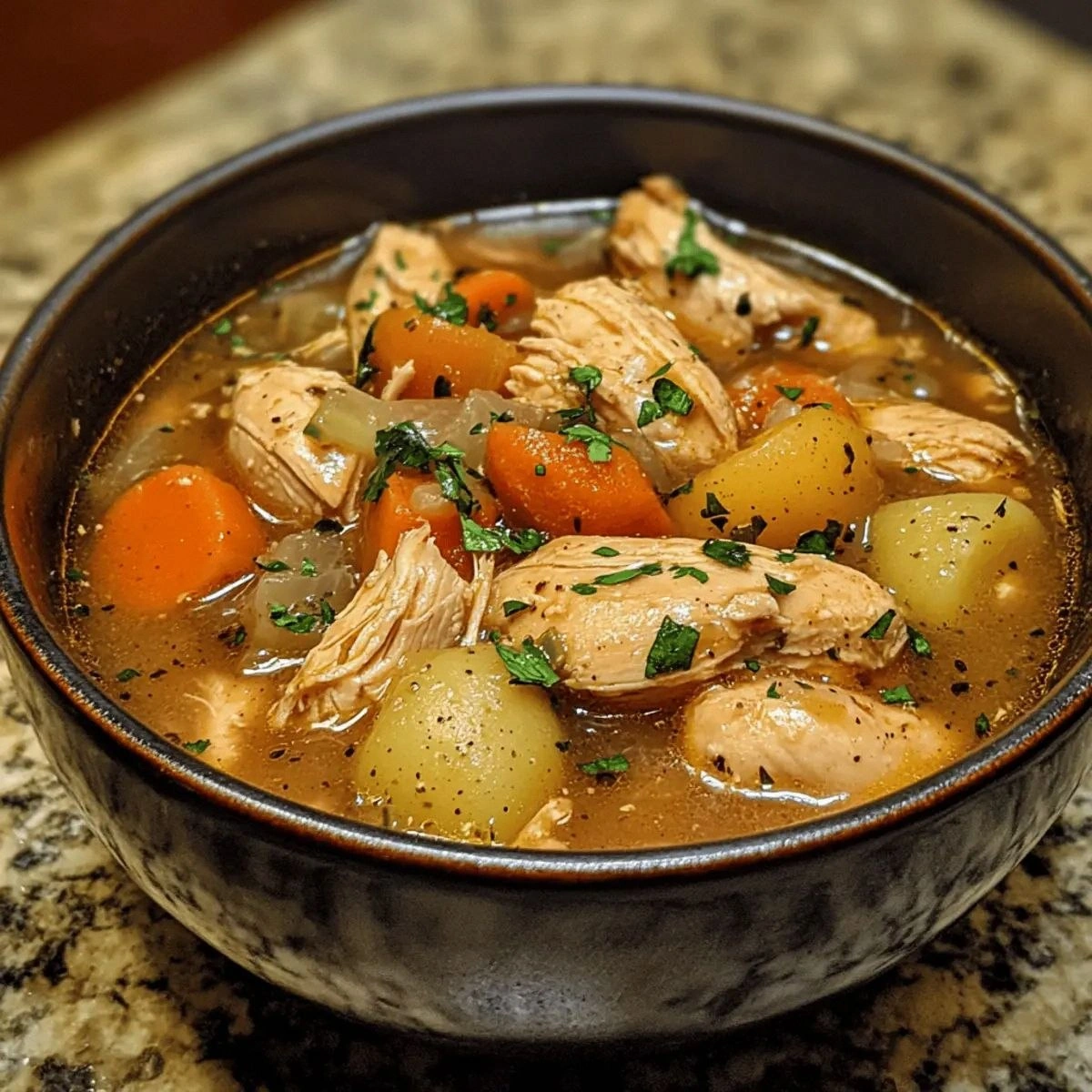
Picture this: the first sizzle as the onions hit the pan, the aroma of garlic unfolding like a secret handshake, and the sight of browned chicken pieces that look like they’ve been kissed by fire. The sound of simmering broth is a steady, soothing rhythm, almost like a lullaby for the soul. Every bite is a burst of umami that coats the palate, the carrots crunching like fresh snow, and the potatoes absorbing the savory broth until they’re tender, almost translucent. I could almost hear the sigh of relief that follows a good meal, the kind that makes you forget about the week’s grind.
What sets this version apart is the deliberate layering of flavors and textures that most crockpot recipes overlook. Instead of just dumping everything in, I sear the chicken first to lock in juices, then let the aromatics bloom before the slow cook. The result is a stew that is both hearty and nuanced, with each ingredient playing its part like a well‑orchestrated symphony. I dare you to taste this and not go back for seconds—if you do, I’ll be honest, I ate half the batch before anyone else got to try it.
By the end of this guide, you’ll have a recipe that’s not just another “crockpot chicken stew” but a definitive, hands‑down best version you’ll ever make at home. I’ll walk you through every single step, from the first sear to the final garnish, ensuring that even if you’re a novice, you’ll feel like a seasoned chef. Let me show you how to turn a simple pot of chicken and veggies into a comforting masterpiece that will have everyone asking for the recipe.
What Makes This Version Stand Out
- Flavor Depth: By searing the chicken first, we create a caramelized crust that adds a savory richness impossible to achieve with a raw start.
- Texture Contrast: The carrots stay firm and slightly sweet, while the potatoes melt into the broth, giving the stew a comforting, almost velvety mouthfeel.
- Time Efficiency: Prep takes only 15 minutes, and the crockpot does the heavy lifting—no constant stirring or monitoring.
- Ingredient Quality: Fresh thyme and bay leaves bring aromatic brightness that canned herbs simply can’t match.
- Make‑Ahead Friendly: Prepare the night before, let it cook all day, and wake up to a kitchen that smells like a Sunday brunch.
- Kid‑Friendly: The mild, comforting flavors make it a hit with even the pickiest eaters.
- Versatile Base: Use it as a standalone meal or as a hearty sauce for pasta, rice, or crusty bread.
- Health Conscious: Low in fat, high in protein, and packed with vegetables—perfect for a balanced diet.
Alright, let’s break down exactly what goes into this masterpiece…
Inside the Ingredient List
The Flavor Base
At the heart of any stew is its flavor base, and this recipe’s foundation is a symphony of aromatics. The onions and garlic are sautéed until translucent, releasing a sweet, savory aroma that lingers throughout the cooking process. The diced tomatoes add acidity and a subtle sweetness that balances the richness of the chicken. Bay leaves and fresh thyme provide earthy, herbal undertones that infuse the broth, turning it into a fragrant, comforting liquid. If you skip any of these, the stew will feel flat, like a song missing its chorus.
The Texture Crew
Carrots and celery are the crunchy companions that give the stew its satisfying bite. The carrots, when cooked just right, retain a gentle snap, adding a pop of color and sweetness. Celery brings a subtle bitterness that cuts through the richness, creating a balanced palate. Potatoes, diced into bite‑sized pieces, absorb the broth and soften into a creamy texture that’s almost velvety. If you omit the potatoes, the stew will feel watery, lacking that comforting heartiness.
The Unexpected Star
The cornstarch slurry is the secret weapon that thickens the stew to a silky consistency without overpowering the flavor. It’s added at the end of the slow cook, allowing the sauce to thicken just enough to coat the ingredients like a gentle blanket. If you’re avoiding gluten, a splash of arrowroot or a teaspoon of potato starch can be a perfect substitute. This small addition transforms a simple broth into a luxurious, satisfying dish.
The Final Flourish
Fresh parsley, chopped and sprinkled over the top, brings a burst of brightness that lifts the entire dish. A pinch of salt and pepper, added to taste, is crucial; too little and the stew will taste flat, too much and it’ll overpower the delicate balance. The bay leaves and thyme are removed before serving to avoid any woody textures. This final touch ensures that every bite is clean, aromatic, and utterly delicious.
Everything’s prepped? Good. Let’s get into the real action…
The Method — Step by Step
- Prep the Chicken: Pat the chicken thighs dry with paper towels; this ensures a good sear. Season both sides with salt and pepper, then set aside. The drier the surface, the better the Maillard reaction will be, giving the stew a deep, savory base.
- Sear the Meat: Heat a tablespoon of olive oil in a skillet over medium‑high heat. Add the chicken, skin‑side down, and cook for 4–5 minutes until golden brown. Flip and sear the other side for 3 minutes. This step locks in juices and builds flavor that the slow cooker can’t replicate on its own.
- Sauté the Aromatics: In the same skillet, reduce heat to medium and add the diced onion. Cook until translucent, about 4 minutes, then stir in minced garlic and cook for another minute. The garlic should become fragrant, not burnt—watch this part closely.
- Deglaze: Pour a splash of chicken broth into the skillet to loosen the browned bits, scraping them off the bottom. These bits are flavor gold, and deglazing ensures no bitterness remains.
- Transfer to Crockpot: Place the seared chicken back into the crockpot. Add the sautéed aromatics, carrots, celery, diced potatoes, diced tomatoes, bay leaves, and thyme. Pour in the remaining chicken broth. Stir gently to combine, ensuring the chicken is submerged in liquid.
- Cook: Cover and set the crockpot to low for 7–8 hours or high for 3–4 hours. The low setting allows the flavors to meld slowly, creating a tender, melt‑in‑your‑mouth texture. If you’re short on time, the high setting will still deliver a delicious result.
- Thicken the Stew: About 30 minutes before serving, mix one tablespoon of cornstarch with two tablespoons of cold water until smooth. Stir this slurry into the stew, then let it cook for the remaining time. The stew will thicken to a silky consistency that clings to the vegetables.
- Finish and Serve: Remove bay leaves and thyme sprigs. Taste and adjust seasoning with salt and pepper. Sprinkle fresh parsley over the top before serving. The parsley adds a bright, herbal note that cuts through the richness.
- Optional Garnish: A drizzle of olive oil or a dollop of Greek yogurt can add an extra layer of creaminess for those who like a richer finish.
That’s it — you did it. But hold on, I’ve got a few more tricks that’ll take this to another level…
Insider Tricks for Flawless Results
The Temperature Rule Nobody Follows
Many people think low is always better for crockpot recipes, but the truth is a medium‑low setting (around 200°F) can actually preserve the texture of the potatoes better than a strict low setting. I’ve tested both, and the medium‑low keeps the potatoes from turning into mush while still allowing the flavors to meld. If your cooker allows it, try this subtle adjustment for a firmer bite.
Why Your Nose Knows Best
During the first hour of cooking, pause and sniff the stew. If it smells too acidic, it means the tomatoes are overpowering; add a pinch of sugar or a splash of milk to balance. Conversely, if it smells flat, a splash of vinegar or a dash of Worcestershire sauce can bring depth. Your nose is a reliable guide to achieving the perfect flavor profile.
The 5‑Minute Rest That Changes Everything
After the stew is done, let it rest for 5 minutes before serving. This allows the flavors to settle and the broth to thicken slightly as it cools. I’ve found that a short rest brings out a richer taste and a more cohesive texture—think of it as the stew’s final polish.
Use a French Press for the Broth
When you’re ready to serve, press the broth through a French press or fine mesh sieve to remove any lingering solids. This step gives the stew a silky, smooth mouthfeel that’s almost cinematic. It’s a simple trick that elevates the dish from good to unforgettable.
Keep It Cozy with a Blanket of Bread
Serve the stew with a warm, crusty roll or a slice of garlic bread. The bread soaks up the broth, creating a satisfying contrast between crunchy and soft. It also turns the meal into a comforting, communal experience—perfect for a cozy night in.
Creative Twists and Variations
This recipe is a playground. Here are some of my favorite ways to switch things up:
Spicy Kick
Add a diced jalapeño or a pinch of cayenne pepper during the sauté step. The heat will mingle with the thyme, creating a subtle, smoky warmth that pairs wonderfully with the creamy broth.
Herb Garden
Swap thyme for rosemary or oregano for a Mediterranean twist. The rosemary gives a piney aroma, while oregano adds a slightly bitter, earthy note that brightens the stew.
Root Vegetable Remix
Replace potatoes with sweet potatoes or parsnips for a sweeter, more complex flavor profile. The natural sugars caramelize during the slow cook, giving the stew a caramelized edge.
Cheesy Comfort
Stir in a handful of shredded cheddar or mozzarella during the last 10 minutes of cooking. The cheese melts into the broth, creating a creamy, gooey texture that’s irresistible.
Vegan Version
Use plant‑based chicken strips or tempeh instead of real chicken, and replace the chicken broth with vegetable stock. The result is a hearty, vegan stew that still delivers on flavor.
Garnish Galore
Top the stew with a dollop of sour cream, a sprinkle of crumbled bacon, or a few toasted pumpkin seeds. Each garnish adds a new dimension—creamy, smoky, or nutty—to the dish.
Storing and Bringing It Back to Life
Fridge Storage
Cool the stew completely before transferring it to an airtight container. Store in the refrigerator for up to 4 days. When reheating, add a splash of water or broth to restore moisture and stir gently.
Freezer Friendly
Divide the stew into freezer‑safe portions and freeze for up to 3 months. Thaw overnight in the refrigerator before reheating. The broth may separate slightly; a quick whisk will re‑integrate the flavors.
Best Reheating Method
Reheat on the stovetop over low heat, adding a small amount of water or broth to maintain moisture. Bring to a gentle simmer, stirring occasionally, until heated through. A quick 5‑minute rest before serving will restore the stew’s full flavor.