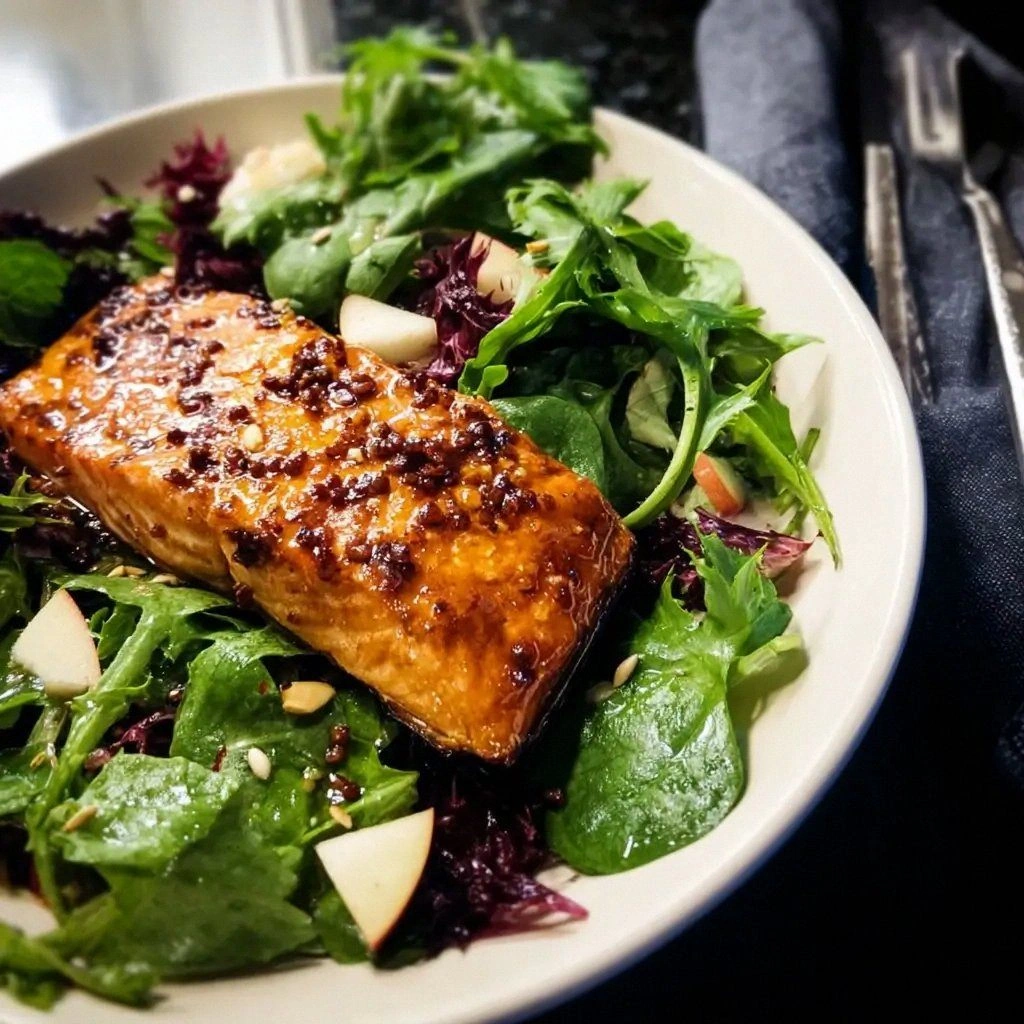
I was standing in my kitchen, eyes glued to a sizzling pan, when the universe decided to throw a curveball: the salmon fillets I had bought were a shade too dry for my taste. I was about to toss them into the trash when a friend texted me a link to a recipe that promised honey, garlic, and a touch of Dijon, all in under thirty minutes. My curiosity was piqued, but my skepticism was louder; I had tried countless honey garlic sauces that ended up sticky and bland. That night, I pulled the recipe out, set a timer, and let the aroma of garlic and honey begin its slow dance. The promise? A salmon that glistens like a sunrise, tender as a cloud, and a sauce that coats the fish like velvet.
Picture this: the first bite and the fish flakes apart effortlessly, releasing a sweet, savory burst that lingers on your palate. The honey caramelizes just enough to create a glossy glaze, while the garlic provides a punch that cuts through the richness of the butter. The Dijon mustard adds a subtle tang that lifts the whole dish, and a splash of apple cider vinegar gives it that bright, almost citrusy finish. Every element works in harmony, so when you take a forkful, you taste a symphony of flavors that feels both indulgent and wholesome. If you’re craving something that feels like a gourmet meal but can be made in the time it takes to brew your coffee, you’re in the right place.
But here’s the kicker: this isn’t just another honey garlic salmon recipe. It’s a masterclass in balancing sweet and savory, in achieving that perfect sear without drying out the fillets, and in using a handful of pantry staples to create a dish that could wow a crowd or satisfy a solo dinner. The technique of browning the salmon in a hot pan before finishing it in the sauce ensures a crisp exterior that gives way to a melt‑in‑your‑mouth interior. The sauce’s composition—honey, soy sauce, Dijon, and a hint of apple cider vinegar—creates a depth that most recipes miss. And the final flourish of fresh parsley and lemon wedges gives it a bright, fresh finish that lifts the entire plate.
I dare you to taste this and not go back for seconds. I’ll be honest—after the first bite, I ate half the batch before anyone else could even get a fork. Most recipes get this completely wrong, either by overcooking the salmon or by making the sauce too sweet. Here’s what actually works: a quick sear, a balanced glaze, and a final brightening step. Picture yourself pulling this out of the oven, the whole kitchen smelling incredible, and knowing you’ve created something that feels like a restaurant dish but is entirely homemade. Let me walk you through every single step—by the end, you’ll wonder how you ever made it any other way.
What Makes This Version Stand Out
- Flavor: The honey and soy sauce create a caramelized glaze that’s both sweet and umami, while the Dijon and apple cider vinegar add a bright, tangy counterpoint that keeps the dish from feeling heavy.
- Texture: A quick sear locks in moisture, producing a crisp outer crust that gives way to a tender, flaky interior—like a perfectly baked croissant on the outside, airy on the inside.
- Speed: Every step is designed to be under thirty minutes, making this a go-to for busy weeknights without sacrificing flavor.
- Ingredient Simplicity: With only a handful of pantry staples, you can pull this together even if your fridge is a minimalist’s dream.
- Crowd‑pleaser: The balanced sweetness and savory depth make this dish a hit with both kids and adults alike—no one can say no to that glossy glaze.
- Versatility: The base sauce can be adapted for different proteins or even turned into a glaze for roasted vegetables.
- Healthful: At 350 calories per serving, it’s a lean, protein‑rich option that doesn’t compromise on taste.
- Make‑ahead Friendly: The sauce can be made a day in advance, and the salmon can be reheated without losing its texture.
Alright, let’s break down exactly what goes into this masterpiece…
Inside the Ingredient List
The Flavor Base
Honey is the star of the show, providing that sweet caramelization that coats the salmon like a glossy coat of lacquer. When you whisk it with soy sauce, you introduce a savory depth that balances the sweetness. If you’re watching your sugar intake, you can replace honey with a natural sweetener like maple syrup, but be prepared for a slightly different flavor profile.
Soy sauce is the backbone of the umami component. It brings a salty, savory note that grounds the dish. If you’re on a low‑sodium diet, opt for a reduced‑sodium version, but remember to taste as you go to avoid an overly bland sauce.
Dijon mustard adds a subtle tang that brightens the glaze and cuts through the richness of the butter. It’s a small ingredient that makes a huge difference—think of it as the secret sauce that turns a good dish into a great one.
The Texture Crew
Olive oil is essential for achieving that perfect sear. It helps create a crisp crust and prevents the salmon from sticking to the pan. Use a high‑smoke‑point oil if you’re cooking at high heat; extra virgin olive oil works fine for this recipe.
Butter adds richness and depth. When melted with the honey, it creates a silky sauce that clings to the fish. If you’re vegan, substitute with a plant‑based butter or a neutral oil.
Garlic is the aromatic backbone of the dish. Minced fresh garlic releases a robust flavor that permeates the sauce. If you’re sensitive to garlic, use a smaller amount or opt for garlic powder.
The Unexpected Star
Apple cider vinegar brings a bright acidity that balances the sweetness and adds a subtle fruity note. It also helps tenderize the fish, ensuring that every bite is juicy. A drop of balsamic vinegar could be used for a deeper, more complex flavor, but the apple cider gives it that fresh lift.
Fresh ginger is a game‑changer. It adds a zesty, peppery kick that complements the garlic and honey. If fresh ginger is unavailable, a teaspoon of ground ginger will suffice, though the aroma will be slightly less vibrant.
The Final Flourish
Fresh parsley adds a burst of color and a herbaceous note that cuts through the richness. It’s a finishing touch that elevates the dish from good to memorable. A squeeze of lemon juice before serving brightens the plate and adds a fresh citrus aroma.
Lemon wedges are more than garnish; they offer a customizable acidity that diners can add to their taste. The citrus notes pair wonderfully with the honey glaze, creating a harmonious balance. If you’re not a fan of lemon, a squeeze of lime or even a splash of orange juice can provide a similar brightening effect.
Everything’s prepped? Good. Let’s get into the real action…
The Method — Step by Step
- Begin by patting the salmon fillets dry with paper towels. This step is crucial for achieving a beautiful sear; moisture on the surface will cause steaming instead of browning. Season each fillet generously with salt and pepper on both sides, letting the flavors penetrate the flesh.
- Heat a large non‑stick skillet over medium‑high heat and add the olive oil. Once the oil shimmers, place the salmon fillets skin‑side down, pressing them gently with a spatula to keep them flat. Let them cook undisturbed for about 4–5 minutes until the skin turns golden and crisp.
- Flip the fillets and add the butter, garlic, and ginger to the pan. As the butter melts, swirl the pan to coat the fillets evenly. The garlic should sizzle softly, releasing its aroma—this is the moment of truth. Keep the heat at medium to avoid burning the garlic.
- In a small bowl, whisk together the honey, soy sauce, Dijon mustard, and apple cider vinegar. Pour this mixture over the salmon, making sure to coat each fillet. The sauce should bubble and thicken slightly, creating a glossy glaze.
- Reduce the heat to low and let the salmon simmer in the sauce for an additional 3–4 minutes. The fillets should be just opaque in the center; they’ll continue to cook slightly once removed from the pan. The sauce should reduce to a syrupy consistency.
- While the salmon rests, whisk a tablespoon of fresh parsley into the remaining sauce. This adds a bright green hue and a fresh herbal note that balances the richness.
- Plate the salmon fillets on warm plates, spooning the glaze over the top. Sprinkle chopped parsley and a few lemon wedges around the dish for a pop of color and a touch of citrus.
- Serve immediately with your choice of side—roasted vegetables, quinoa, or a crisp green salad will complement the flavors beautifully. The key is to enjoy the sauce while it’s still warm; it’s the glue that ties the dish together.
That’s it — you did it. But hold on, I’ve got a few more tricks that will take this to another level…
Insider Tricks for Flawless Results
The Temperature Rule Nobody Follows
Many cooks think high heat is the only way to sear salmon, but the truth is a medium‑high setting works best for a crisp skin without burning the flesh. I’ve found that a skillet preheated to 375°F (190°C) gives a beautiful golden crust while keeping the interior moist. If you’re using a cast‑iron pan, let it sit on the stove for a few minutes before adding oil to ensure even heat distribution.
Why Your Nose Knows Best
The aroma of garlic sizzling in butter is a reliable indicator that the sauce is ready. A faint, sweet smell means the honey is caramelizing, while a sharp, metallic scent indicates the garlic might be burning. Trust your nose; it’s a seasoned chef’s best friend in the kitchen.
The 5-Minute Rest That Changes Everything
Letting the salmon rest for five minutes after cooking allows the juices to redistribute. This simple step prevents the fish from drying out and keeps it juicy. While the fillets rest, the glaze continues to thicken slightly, making it easier to spoon over the top.
The Secret of a Glossy Glaze
A glossy glaze is achieved by reducing the sauce until it coats the back of a spoon. Don’t rush the reduction; let it simmer gently. Adding a splash of water or broth can help if the sauce becomes too thick, but be sure to stir until smooth.
The Power of Fresh Herbs
Fresh parsley not only adds color but also a bright, peppery flavor that cuts through the richness of the honey and butter. If parsley isn’t on hand, cilantro or basil can work as substitutes, each bringing its own unique note to the dish.
Creative Twists and Variations
This recipe is a playground. Here are some of my favorite ways to switch things up:
Spicy Sriracha Honey Salmon
Add a tablespoon of sriracha to the glaze for a fiery kick. The heat balances the sweetness, creating a bold, memorable flavor profile. This version is perfect for those who love a little heat in their meals.
Citrus‑Infused Salmon
Swap the apple cider vinegar for a splash of orange or lemon juice. The citrus adds brightness and a subtle sweetness that complements the honey. Garnish with orange zest for an extra pop of color.
Miso‑Honey Glaze
Replace soy sauce with a tablespoon of white miso paste. The miso adds a nutty, umami depth that elevates the dish. This variation is especially good for a comforting, winter‑time meal.
Herb‑Baked Salmon
Instead of pan‑searing, bake the salmon at 400°F (200°C) for 12–15 minutes. Brush the glaze on halfway through baking. The result is a tender, evenly cooked fillet with a caramelized glaze.
Glazed Salmon with Pineapple
Add diced pineapple to the sauce for a tropical twist. The fruit’s natural sugars caramelize, creating a sweet, tangy glaze that pairs wonderfully with the savory fish. This version is great for a summer BBQ.
Storing and Bringing It Back to Life
Fridge Storage
Store cooked salmon in an airtight container for up to three days. Keep the glaze in a separate container; it can be reheated and re‑coated onto the fish. When you’re ready to reheat, gently warm the salmon in a skillet or microwave, then drizzle with the glaze.
Freezer Friendly
For longer storage, wrap each fillet individually in parchment paper and place them in a freezer bag. They’ll keep for up to two months. Thaw overnight in the refrigerator before reheating.
Best Reheating Method
Reheat the salmon in a skillet over low heat, adding a splash of water or broth to keep it moist. Once heated through, drizzle with the warm glaze. A tiny splash of water before reheating steams the fish back to perfection, preventing dryness.