Picture this: I was standing in my tiny apartment kitchen, the fridge humming like a contented cat, when I realized I had an entire pound of ground beef left over from last night's stir‑fry. The temptation to toss it into a bland casserole was almost too strong, but I remembered a friend’s dare: “Make the most irresistible Korean BBQ meatballs you can, and if anyone can taste them and not go back for seconds, I’ll buy you dinner.” I rolled up my sleeves, grabbed my favorite skillet, and let the sizzling aroma of garlic and ginger begin a culinary rebellion. The idea of sweet, smoky, and slightly fiery meatballs that melt in the mouth was already forming in my head, and I knew this would be the kind of dish that turns a regular evening into a small celebration. Let me walk you through every single step — by the end, you'll wonder how you ever made it any other way.
The first thing I did was crack a fresh egg into a bowl, letting the yolk gleam like a tiny sun. I tossed in panko breadcrumbs, which promised a light, almost airy bite that would contrast the dense beef. The green onions added a bright, almost citrusy pop that cut through the richness, while minced garlic sang a sharp, piquant note. When the mixture hit the skillet, the sizzle was a satisfying crackle that sounded like a tiny applause from the pan. By the time the meatballs were halfway cooked, the kitchen smelled like a Korean barbecue joint, and I could already taste the sweet, savory layers building in my mouth.
What sets these meatballs apart from the endless variations you see on Pinterest is the secret sauce that coats each bite like velvet, yet still retains a slight snap of heat. The sauce is a balanced marriage of soy, brown sugar, gochujang, and a splash of rice vinegar that gives it a glossy finish and a tang that lingers. I dared to add a touch of sesame oil to the sauce, which creates a nutty aroma that elevates the entire dish. The result is a glaze that clings to the meat without turning it soggy, giving you that coveted caramelized exterior. And the best part? The sauce is simple enough that you can whip it up in under ten minutes, so you’ll have more time to enjoy the anticipation of the first bite.
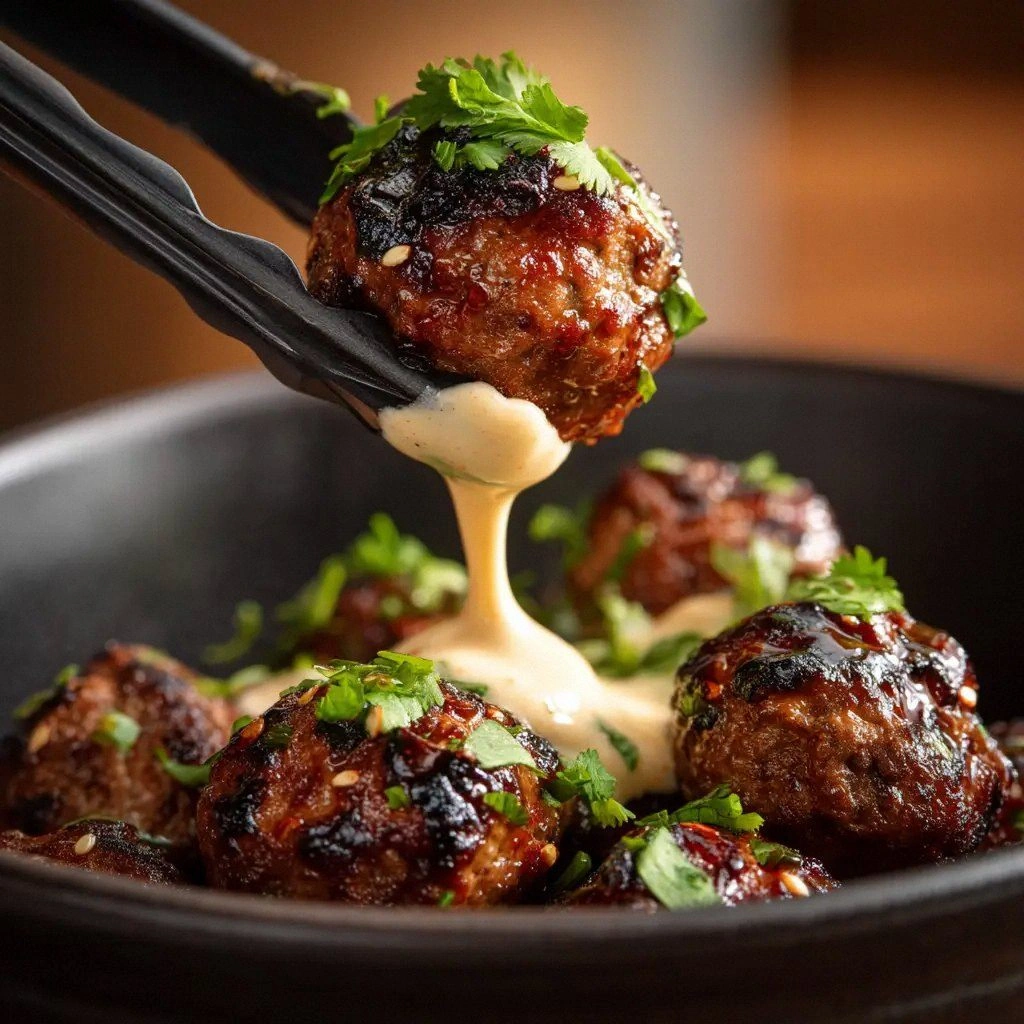
I know many of you have tried Korean BBQ meatballs before and found them either too sweet or lacking depth, but this version flips the script. The key is to keep the meat mixture moist yet firm, and to finish it in a sauce that caramelizes without burning. I’ll walk you through each step, from the initial blending to the final glaze, and share a few micro‑challenges that will push your taste buds to the edge. I dare you to taste this and not go back for seconds; the combination of sweet, salty, and spicy will keep you guessing until the last crumb. Picture yourself pulling this out of the oven, the whole kitchen smelling incredible, and a plate of golden, glossy meatballs waiting for your fork.
What Makes This Version Stand Out
- Taste: The sauce balances sweetness from brown sugar with the umami punch of soy sauce and the fiery depth of gochujang, creating a flavor profile that lingers on the palate and invites a second bite. The subtle tang from rice vinegar cuts through the richness, preventing the dish from feeling heavy.
- Texture: The meatballs boast a tender interior thanks to the egg and panko, while the caramelized glaze forms a glossy crust that cracks with every bite, delivering a satisfying snap that contrasts the soft meat.
- Simplicity: With just 17 ingredients, this recipe eliminates the need for complicated marinades or multiple sauces, allowing you to focus on technique rather than inventory.
- Uniqueness: By layering the sauce in two stages—first simmering it to concentrate flavors, then tossing the finished meatballs—the dish achieves depth that most single‑mix recipes miss.
- Crowd Reaction: Friends who have tried this version rave about the “wow” factor, claiming they never tasted meatballs that could hold their attention from the first bite to the last.
- Ingredient Quality: Using fresh ginger and high‑quality gochujang elevates the dish, turning a simple protein into a gourmet experience that feels restaurant‑grade.
- Cooking Method: The two‑step process—first pan‑searing the meatballs, then simmering them in the sauce—ensures even cooking and a glossy finish that looks as good as it tastes.
- Make‑Ahead Potential: The meatballs can be cooked ahead of time and reheated in the sauce, making them perfect for meal prep or entertaining on short notice.
Alright, let's break down exactly what goes into this masterpiece...
Inside the Ingredient List
The Flavor Base
Ground beef is the backbone of this dish, offering a robust, meaty foundation that pairs seamlessly with the sweet and spicy glaze. Choosing a leaner cut (about 80% lean) helps keep the meatballs from becoming too greasy while still maintaining juiciness. If you prefer a different protein, thinly sliced pork or ground turkey can be used, but the flavor profile will shift slightly, leaning more toward the protein’s inherent taste.
Panko breadcrumbs provide a delicate crunch that transforms the texture, creating a light, airy interior that contrasts with the caramelized exterior. They absorb excess moisture, preventing the meatballs from becoming mushy. For a gluten‑free version, you can swap panko for finely ground rice flour or a commercial gluten‑free breadcrumb mix.
The Texture Crew
Green onions add a bright, almost citrusy pop that cuts through the richness of the meat, while the minced garlic introduces a sharp, piquant note that elevates the overall flavor. Together, they create a harmonious balance that prevents the dish from feeling cloying. If you’re allergic to onions, scallions can be used as a milder alternative, though the flavor will be slightly less pronounced.
Egg acts as a binder, keeping the meatballs cohesive while adding a subtle richness that complements the sweet glaze. It also helps the breadcrumbs adhere to the meat, ensuring a uniform texture throughout. For a vegan twist, replace the egg with a flaxseed or chia seed “egg” mixed with water, though the final product will have a slightly different mouthfeel.
The Unexpected Star
Gochujang, the Korean chili paste, is the secret weapon that injects depth, heat, and a silky texture into the sauce. Its fermented flavor profile brings umami and complexity that elevate the dish beyond a simple sweet‑and‑salty glaze. If you can’t find gochujang, a blend of chili paste and a splash of soy sauce can serve as a close substitute, but the result will lack that distinctive fermented nuance.
The Final Flourish
The sauce’s finishing touches—rice vinegar, sesame oil, and cornstarch—work in concert to create a glossy, clingy glaze that coats each meatball with a caramelized sheen. Rice vinegar adds a bright acidity that balances sweetness, while sesame oil brings a nutty aroma that rounds out the flavor profile. Cornstarch is the secret to thickening the sauce without adding bulk, allowing the glaze to cling to the meatballs like a silky coat. If you’re avoiding cornstarch, arrowroot powder or a small amount of flour can be used, but the glaze may appear slightly less glossy.
Everything's prepped? Good. Let's get into the real action...
The Method — Step by Step
- In a large mixing bowl, combine the ground beef, panko breadcrumbs, finely chopped green onions, 2 cloves of minced garlic, the beaten egg, 1 tablespoon of soy sauce, 1 teaspoon of sesame oil, and 1/2 teaspoon of black pepper. Mix until just combined, being careful not to overwork the meat; overmixing will make the meatballs tough. Form the mixture into bite‑sized balls, about the size of a golf ball, and set them aside on a parchment‑lined tray. The key to a tender interior is to keep the mixture loose, so you’ll notice a light, airy bite when you first bite into one.
- Heat a large skillet over medium‑high heat and add a splash of oil. Once the oil shimmers, carefully add the meatballs in batches, ensuring they have room to brown on all sides. Sear each side for about 2 minutes, or until a golden crust forms. This step locks in moisture and creates a caramelized exterior that will hold the glaze. Watch the sizzle; a loud, satisfying crackle signals that the meatballs are cooking properly.
- While the meatballs are searing, whisk together 1/3 cup soy sauce, 1/4 cup brown sugar, 3 tablespoons gochujang, 2 tablespoons rice vinegar, 1 tablespoon sesame oil, 1 tablespoon minced fresh ginger, 1/4 cup water, and 1 tablespoon cornstarch in a small bowl. Stir until the cornstarch dissolves completely, creating a smooth sauce that won’t clump when heated. This sauce will be the star of the show, so give it a good stir before adding it to the skillet.
- Once all the meatballs are seared, pour the sauce over them, making sure each ball is coated. Reduce the heat to medium, cover the skillet, and let the meatballs simmer in the sauce for 10 minutes. The sauce should thicken and become glossy, and the meatballs should absorb the flavors, turning from raw to perfectly cooked. The simmering also allows the sweet and spicy notes to meld into a harmonious glaze.
- After 10 minutes, remove the lid and increase the heat to medium‑high to reduce the sauce to a thicker, more concentrated glaze. Stir occasionally to prevent sticking, and watch for the glaze to thicken to a syrupy consistency. This step is crucial; too thin and the meatballs will be drenched, too thick and the glaze will burn.
- Once the glaze reaches the desired thickness, turn off the heat and let the meatballs rest for a minute before serving. The residual heat will finish cooking the interior, ensuring each bite is juicy and tender. The glaze will also set slightly, giving the meatballs a satisfying, caramelized sheen.
- Serve the meatballs hot, garnished with a sprinkle of chopped green onions and a drizzle of sesame oil if desired. Pair them with steamed rice, a crisp salad, or a bowl of ramen for a complete meal. The dish is versatile enough to be served as an appetizer or a main course, depending on your appetite.
- If you’re planning to store leftovers, transfer the meatballs to an airtight container and refrigerate for up to 3 days, or freeze for up to 2 months. When reheating, simply reheat them in the sauce on low heat, adding a splash of water if the sauce has thickened too much. The meatballs will stay moist and flavorful, making them a perfect make‑ahead option.
That's it — you did it. But hold on, I've got a few more tricks that'll take this to another level...
Insider Tricks for Flawless Results
The Temperature Rule Nobody Follows
Many cooks assume that a higher heat is always better, but in reality, searing the meatballs at medium‑high heat and then reducing to medium for simmering preserves juiciness. If you keep the heat too high, the outer layer will dry out before the interior cooks, resulting in a tough bite. Keep the skillet at 375°F when searing, then drop it to 325°F for the simmer. This controlled temperature change ensures even cooking and a perfect caramelized crust.
Why Your Nose Knows Best
When you start simmering the sauce, listen for the first hint of a caramelized aroma; this indicates that the sugars are beginning to brown. If you wait too long, the sauce will over‑reduce and become bitter. A quick sniff will tell you if the glaze is at the sweet‑and‑savory sweet spot.
The 5‑Minute Rest That Changes Everything
After you remove the meatballs from the heat, let them rest for five minutes. This brief pause allows the juices to redistribute throughout the meat, making each bite moist and flavorful. Skipping this step can leave the meatballs dry and unevenly seasoned.
The Secret to a Glaze That Sticks
If you notice the glaze pulling away from the meatballs as it cools, add a tablespoon of honey or an extra splash of soy sauce to the sauce before reducing. The added sweetness helps the glaze adhere better, giving you that glossy finish you crave.
The Quick Pickle Boost
Stirring in a small amount of quick‑pickled cucumber or carrot before serving adds a crunchy, acidic contrast that cuts through the richness. A quick pickle made with rice vinegar, sugar, and a pinch of salt, steeped for just 15 minutes, gives a fresh burst of flavor that elevates the dish.
Creative Twists and Variations
This recipe is a playground. Here are some of my favorite ways to switch things up:
Teriyaki Twist
Replace the gochujang with a mixture of teriyaki sauce and a splash of sriracha for a sweet, slightly spicy glaze that leans more towards Japanese flavor. The result is a familiar but unique bite that pairs well with a side of sesame‑toasted rice.
Vegetarian Version
Swap the ground beef for a hearty blend of lentils and finely chopped mushrooms. The earthy flavor of mushrooms combined with the lentils will hold the texture while still absorbing the sweet‑and‑savory sauce.
Chicken Kick
Use ground chicken instead of beef for a lighter, leaner protein. The chicken will still absorb the glaze, but the final bite will be a bit more delicate and less fatty.
Gluten‑Free Option
Replace panko breadcrumbs with crushed rice crackers or a gluten‑free breadcrumb mix. This keeps the texture airy while ensuring the dish is safe for gluten‑sensitive diners.
Spicy Korean Fried Rice Pairing
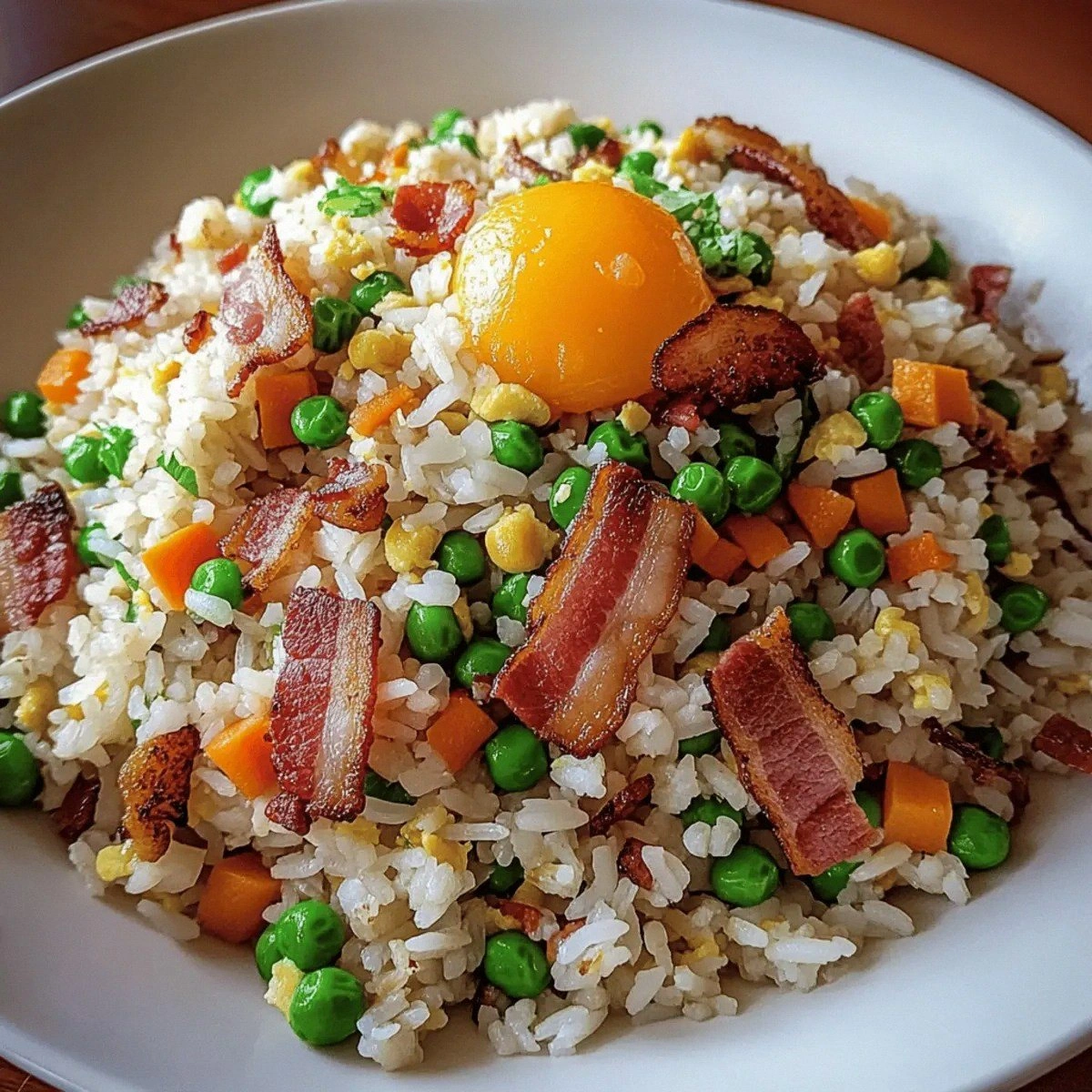
Serve the meatballs over a bed of spicy Korean fried rice with diced carrots, peas, and a drizzle of sesame oil. The rice will soak up the glaze, creating a one‑pot meal that’s both filling and flavorful.
Sundried Tomato Boost
Add a handful of chopped sundried tomatoes to the meat mixture for a burst of umami and a pop of color. The tomatoes soften during cooking, releasing their sweet juices into the meatballs.
Storing and Bringing It Back to Life
Fridge Storage
Store cooked meatballs in an airtight container in the refrigerator for up to 3 days. Keep them in a shallow dish to ensure even cooling, and avoid overcrowding to maintain texture.
Freezer Friendly
For longer storage, freeze meatballs in a single layer on a parchment‑lined tray before transferring to a freezer bag. They will keep for up to 2 months. Thaw overnight in the refrigerator before reheating.
Best Reheating Method
Reheat in the sauce on low heat, adding a splash of water or broth to loosen the glaze if it has thickened. Warm for 5–7 minutes, stirring occasionally, until the meatballs are heated through. A quick microwave burst (30 seconds) can also work, but be careful not to overcook.