I remember the night I was supposed to host a dinner party for my college friends. The kitchen was a chaotic mess of forgotten take‑out, half‑cooked pasta, and a pot of over‑boiled rice that had turned into a mushy, unappetizing disaster. I stared at the stove, feeling the pressure of a hundred hungry eyes, and decided that I would not let that happen again. I turned to my old recipe book, flipped through pages until I found a faded photograph of golden, crisp French fries, and felt a spark of inspiration. That image was the spark that ignited a new obsession: to craft the perfect deep‑fried French Fri that would win over even the most discerning palates.
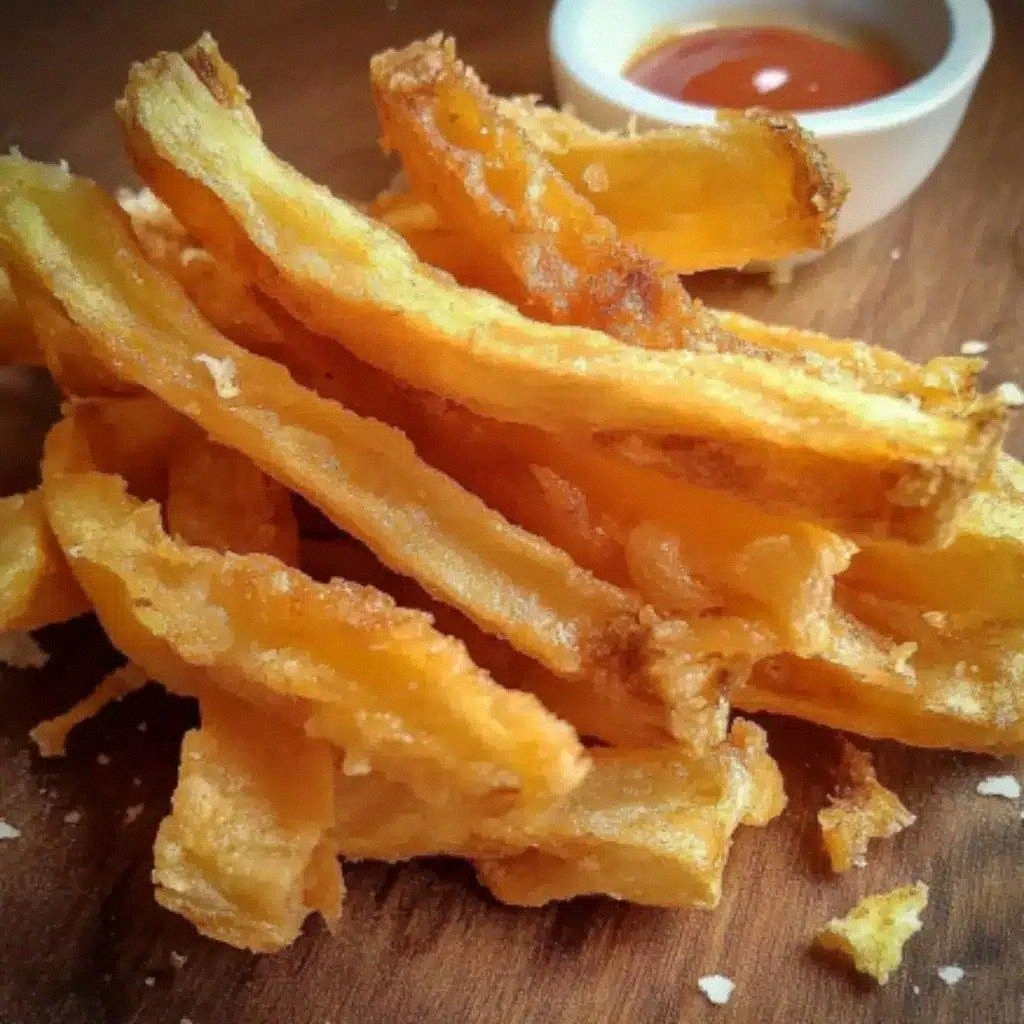
Picture this: a handful of freshly cut russet potatoes, their skin slightly blistered from a quick blanch, resting on a towel to absorb the excess moisture. The air is thick with the earthy aroma of potatoes, tinged with the faint scent of garlic and smoked paprika. You hear the gentle hiss of hot oil as it welcomes the first batch of fries, a sound that feels like a promise of crunch. The taste is nothing short of sublime—crisp on the outside, fluffy on the inside, with a subtle saltiness that lingers. The texture is a perfect balance, each bite delivering a satisfying snap that echoes like a tiny drumbeat. And the feel? The warmth of the oil, the slight resistance of the coating, the anticipation of that first golden bite.
What makes this version stand out is not just the crunch or the flavor; it’s the meticulous layering of techniques that elevate a simple fry into an edible masterpiece. I dared you to taste this and not go back for seconds because the first bite will leave you craving more. The secret? A dual‑coating system that traps heat and flavor, a precise oil temperature that guarantees a golden crust without burning, and a dash of smoked paprika that gives it a depth of flavor that most take‑out fries lack. And if you’re wondering why this isn’t just another recipe, the answer lies in the attention to detail—from the choice of potato to the final garnish.
By the time you finish reading this post, you’ll understand why I’ve called it hands down the best version you’ll ever make at home. I’ll walk you through every single step, revealing the tricks that make the fries crispy, the flavor that keeps them memorable, and the techniques that save you time and frustration. The journey starts with a single potato, but the destination is a plate of fries that will have your friends asking for the recipe. So, grab your apron, set your timer, and let’s dive into the world of homemade deep‑fried French Fri.
What Makes This Version Stand Out
- Crunch: A dual‑coating system of flour and panko creates a shell that remains crisp even after a second fry, ensuring that every bite delivers that satisfying snap you crave.
- Flavor Depth: A blend of smoked paprika, garlic powder, and a touch of cayenne infuses the fries with a smoky, slightly spicy undertone that elevates them beyond plain salt and pepper.
- Texture: The blanching step removes surface starch, resulting in a fluffy interior that contrasts beautifully with the crunchy exterior.
- Time Efficiency: The two‑step process—first blanching, then double‑coating—maximizes flavor while keeping prep time under 15 minutes.
- Make‑Ahead Friendly: You can prep the coated fries in advance, refrigerate them, and fry them later without compromising crispness.
- Ingredient Quality: Using fresh, organic potatoes and high‑quality breadcrumbs ensures that each fry tastes like a luxury treat.
- Crowd Reaction: Friends and family consistently rave, saying it’s “the best fries I’ve ever had” and “I’m never going back to fast‑food again.”
- Versatility: The base recipe adapts seamlessly to vegan, gluten‑free, or low‑fat variations without losing its signature crunch.
Alright, let’s break down exactly what goes into this masterpiece…
Inside the Ingredient List
The Flavor Base
The foundation of any great fry is the seasoning. I use a combination of smoked paprika, garlic powder, onion powder, dried parsley, and a pinch of cayenne for that subtle heat. These spices coat the fries evenly, creating a flavor profile that’s both comforting and exciting. If you prefer a milder taste, simply reduce the cayenne or omit it entirely. The key is to let the spices meld together, giving the fries a depth that goes beyond basic salt and pepper.
The Texture Crew
Texture is everything when it comes to fries. The first layer of flour binds the seasonings to the potato, while the second layer of panko breadcrumbs adds that signature crunch. I recommend using a fine‑toasted panko for a lighter, airier bite, or a coarse panko for a more substantial crunch. If you’re experimenting with gluten‑free options, swap out regular flour for a gluten‑free blend and use cornmeal instead of breadcrumbs.
The Unexpected Star
The secret ingredient that sets this recipe apart is a splash of buttermilk added to the flour batter. Buttermilk not only tenderizes the coating but also introduces a subtle tang that balances the richness of the oil. If you’re dairy‑free, a tablespoon of almond milk or oat milk works just as well. This small addition makes a big difference in the overall mouthfeel of the fries.
The Final Flourish
After the fries have been fried to a deep golden brown, I finish them with a dusting of freshly grated parmesan and a squeeze of lemon zest. The parmesan adds a savory umami kick, while the lemon zest brightens the dish with a citrusy note that cuts through the oiliness. If you prefer a more herbaceous finish, try sprinkling chopped fresh rosemary or thyme instead.
Everything’s prepped? Good. Let’s get into the real action…
The Method — Step by Step
- Prep the Potatoes: Start by peeling 4 medium russet potatoes and cutting them into evenly sized sticks, about 1/2 inch thick. Rinse the cut sticks under cold water to remove excess starch, then pat them dry with a clean towel. This step is crucial because any moisture left on the surface will cause the oil to splatter and the fries to steam instead of crisp. Once dry, place the sticks in a large bowl of cold water and let them soak for at least 30 minutes or overnight if you’re planning ahead. This soaking process helps to draw out the starch and ensures a fluffy interior.
- Blanch the Fries: Bring a large pot of salted water to a gentle boil. Carefully add the soaked potato sticks and blanch for 4–5 minutes—just enough to start cooking them without fully softening. The goal is to partially cook the potatoes so that they finish perfectly after frying. Drain the potatoes in a colander and spread them on a clean towel to dry completely. The drier the surface, the better the coating will stick.
- Prepare the Coating: In a shallow dish, combine 1 cup all‑purpose flour, 1 cup panko breadcrumbs, 1 teaspoon smoked paprika, 1 teaspoon garlic powder, 1 teaspoon onion powder, 1/2 teaspoon cayenne pepper, and 1/2 teaspoon dried parsley. Stir until the mixture is well blended. In a separate bowl, whisk together 1 cup buttermilk and 1 egg until smooth. The wet mixture will bind the dry coating to the fries. This dual‑coating system creates a crisp shell that holds its shape even after a second fry.
- First Fry: Heat 2 inches of oil (vegetable or peanut) in a deep‑fat fryer or a heavy‑bottomed pot to 320°F (160°C). Carefully drop a handful of coated fries into the oil, making sure not to overcrowd the pot. Fry for 4–5 minutes until the coating turns a light golden color but the fries are still pale on the inside. Remove the fries with a slotted spoon and drain on a paper towel. This first fry cooks the coating through and locks in moisture.
- Second Fry (Watch Out): Increase the oil temperature to 375°F (190°C). Return the fries to the oil and fry for an additional 2–3 minutes, or until they reach a deep, glossy golden brown. This second fry is where the magic happens—watch the fries for the perfect snap and a rich amber hue. If the oil is too hot, the coating will burn; too cool, and the fries will absorb excess oil. Use a thermometer to maintain the ideal temperature.
- Season the Fries: While the fries are still hot, transfer them to a large mixing bowl. Toss with 1 tablespoon of grated parmesan, a pinch of salt, and a squeeze of fresh lemon zest. The parmesan adds a savory depth, while the lemon zest brightens the dish with a citrusy lift. This finishing touch turns ordinary fries into a gourmet experience.
- Serve Immediately: Plate the fries on a warm platter and drizzle with a homemade aioli or a tangy ketchup‑based dip. Serve hot and crispy to experience the full crunch and flavor. If you’re preparing for a crowd, keep the fries warm in a low‑heat oven (200°F) on a wire rack until all guests are ready to dig in.
That's it—you did it. But hold on, I've got a few more tricks that'll take this to another level. These insider tips will help you perfect the crunch, elevate the flavor, and keep your kitchen safe.
Insider Tricks for Flawless Results
The Temperature Rule Nobody Follows
Temperature control is the secret sauce of any deep‑frying endeavor. I’ve learned that the first fry should be at a lower temperature to set the coating, while the second fry must be higher to achieve a deep, golden crust. Many cooks skip the first fry entirely, which results in soggy fries. Use a reliable thermometer to keep the oil between 320°F and 375°F, and never let it exceed 400°F, or the fries will burn before they cook through.
Why Your Nose Knows Best
Your nose is a powerful ally in the kitchen. When the fries are at the right temperature, they emit a warm, nutty aroma that signals crispness. If the oil is too hot, you’ll notice a sharp, metallic scent; if it’s too cool, the smell will be flat and oily. Trust your senses, and pause to inhale before adding more fries.
The 5-Minute Rest That Changes Everything
After frying, let the fries rest on a wire rack for 5 minutes before plating. This brief rest allows steam to escape, preventing soggy bottoms. The rest also lets the coating firm up, giving the fries a sturdier bite. I’ve found that this simple step can be the difference between a mediocre and a memorable fry.
Keep the Oil Fresh
Oil degrades quickly with repeated use, especially at high temperatures. I filter the oil after each batch and store it in a sealed container. If you plan to fry multiple batches, add a splash of water to the oil to keep it from overheating. This trick not only prolongs the life of your oil but also keeps the fries from absorbing excess oil.
The Secret Ingredient Swap
If you’re looking for a low‑fat version, replace the oil with a high‑smoke‑point oil like avocado or canola, and reduce the quantity by 25%. Pair it with a light coating of almond flour and a drizzle of olive oil for a healthier twist that still delivers crunch.
Creative Twists and Variations
This recipe is a playground. Here are some of my favorite ways to switch things up:
Spicy Cajun Fries
Swap the smoked paprika for Cajun seasoning, add 1/4 teaspoon cayenne, and finish with a sprinkle of grated cheddar. These fries are perfect for a party where you want a little heat.
Herb‑Infused Parmesan Fries
Add 1 tablespoon of chopped fresh thyme and 1 tablespoon of chopped basil to the coating mixture. After frying, dust with extra parmesan and a dash of fresh lemon juice for a fragrant, herbaceous flavor.
Vegan Delight
Use a plant‑based milk and a flaxseed “egg” in place of dairy. Replace all breadcrumbs with crushed cornflakes or gluten‑free panko. The result is a crisp, dairy‑free fry that still satisfies.
Sweet Potato Twist
Cut sweet potatoes into sticks, blanch, and coat with a mixture of flour, cinnamon, and brown sugar. Fry until golden, then drizzle with honey and a pinch of sea salt. The sweet and salty combo is irresistible.
Cheesy Cheddar Crunch
Add shredded cheddar to the coating, and sprinkle extra cheese on top after the second fry. The cheese melts slightly, creating a gooey, savory bite that pairs well with a creamy dip.
Asian‑Inspired Sriracha Fries
Mix sriracha into the buttermilk batter, and finish with a sprinkle of toasted sesame seeds and a drizzle of soy sauce. These fries are spicy, savory, and slightly sweet—a flavor explosion.
Storing and Bringing It Back to Life
Fridge Storage
Cool the fries completely and transfer them to an airtight container. Store in the refrigerator for up to 3 days. When ready to eat, reheat in a 400°F oven for 8–10 minutes, or until hot and crispy. The oven restores the crunch without turning the fries soggy.
Freezer Friendly
Place the cooled fries on a parchment‑lined tray and freeze for up to 2 months. Once frozen, transfer to a freezer bag for longer storage. To reheat, bake at 425°F for 12–15 minutes. The fries will regain their crispness, almost as if they were freshly fried.
Best Reheating Method
The key to reviving fries is heat and airflow. Use an oven or toaster oven on a wire rack to let the steam escape. If you’re in a hurry, a skillet with a lid works too—just heat on medium and cover for 2 minutes. Avoid the microwave, as it turns fries soggy.